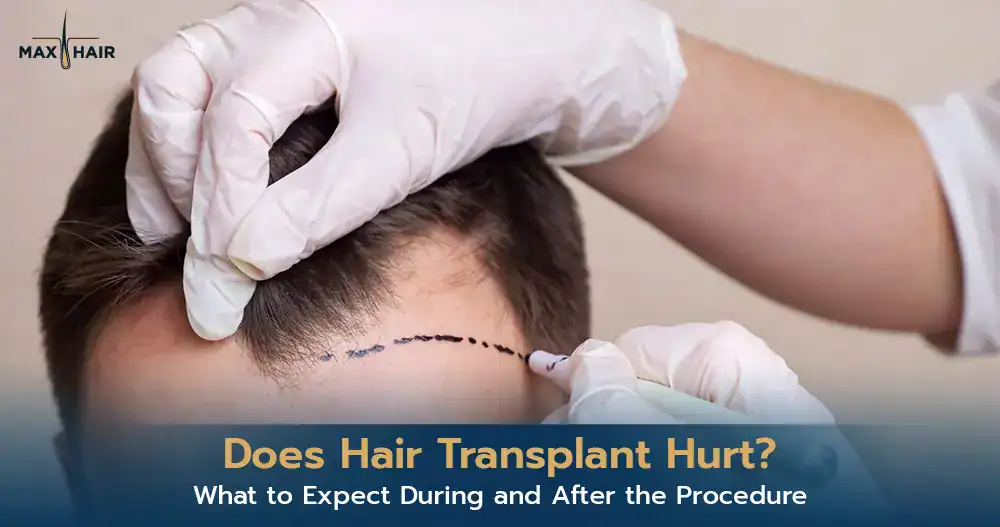
Does Hair Transplant Hurt? This is one of the most common concerns among people considering a hair transplant. The level of discomfort can vary depending on the technique, individual sensitivity, and the experience of the medical team. From local anesthesia before the procedure to the hair transplant process itself, proper preparation and choosing a reputable clinic can help you feel more comfortable throughout the treatment.
Key Takeaways
- Hair transplants use local anesthesia throughout the procedure, so discomfort varies from person to person.
- FUE, Non-Shaven FUE, MCG, and DHI involve different steps, but discomfort is mainly felt during the anesthesia injection.
- Mild tightness, itching, or soreness may occur after the procedure and usually improves within 3–7 days. Many people can return to work within 3–5 days.
Table of Contents
- Does Hair Transplant Hurt? What to Know Before the Procedure
- Does Hair Transplant Anesthesia Hurt? Can General Anesthesia Be Used?
- What Are the Different Hair Transplant Techniques? Which One Is More Painful?
- Does Pain Affect Hair Transplant Results? Why Does Pain Vary Between Individuals?
- Does a Hair Transplant Hurt After the Procedure? How Long Does the Pain Last?
- Does Hair Transplant Hurt? Discomfort Varies Between Individuals
- Frequently Asked Questions About Hair Transplant Pain
Does Hair Transplant Hurt? What to Know Before the Procedure
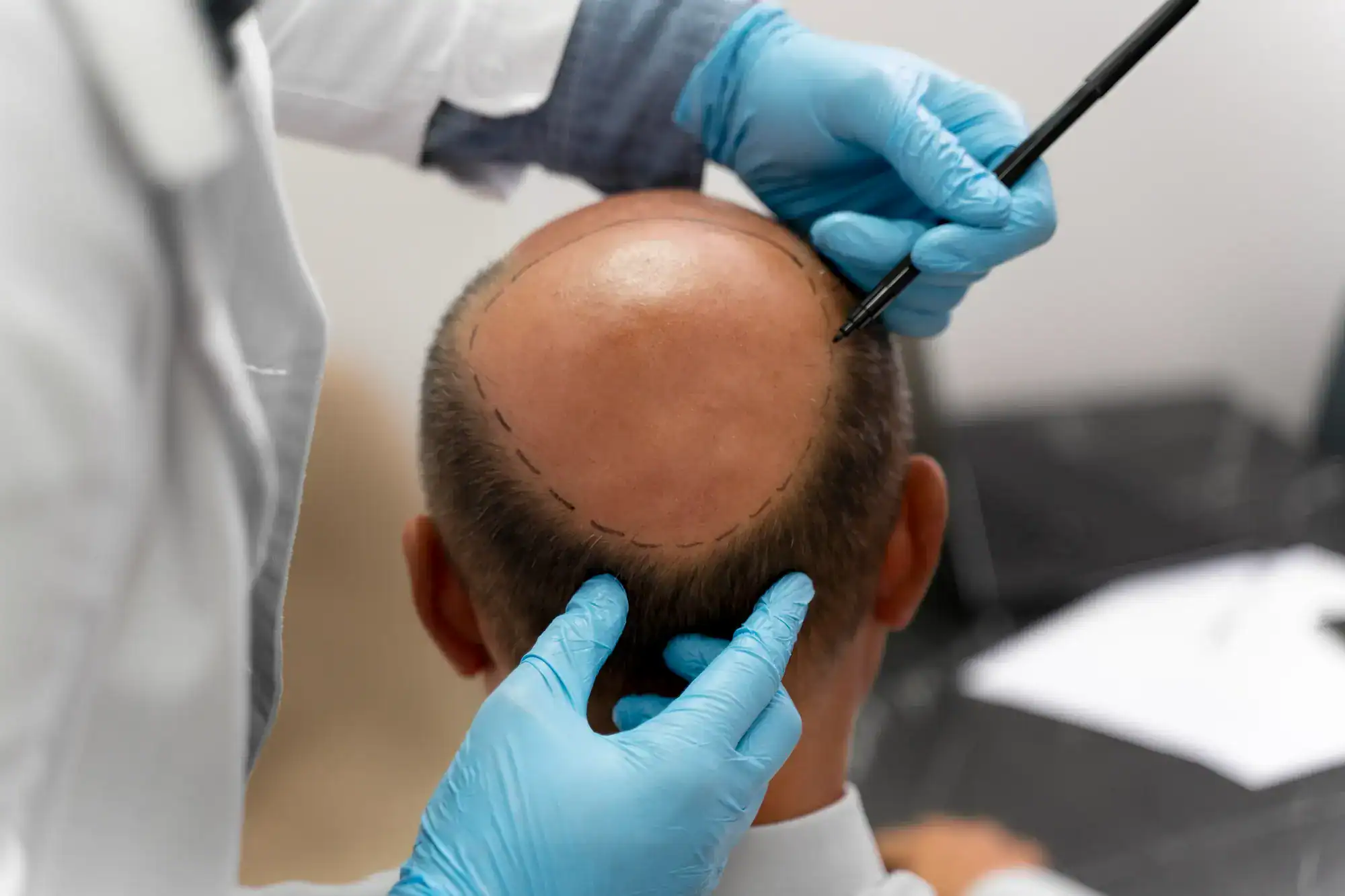
Does Hair Transplant Hurt? This is a common question among people experiencing thinning hair or a receding hairline before deciding to undergo a hair transplant.
During the procedure, local anesthesia is applied to the treatment area to numb the skin and minimize discomfort. However, the level of discomfort can vary depending on individual sensitivity and other personal factors. Based on feedback from people who have undergone hair transplants, most find the sensations during the procedure manageable.
Does Hair Transplant Anesthesia Hurt? Can General Anesthesia Be Used?
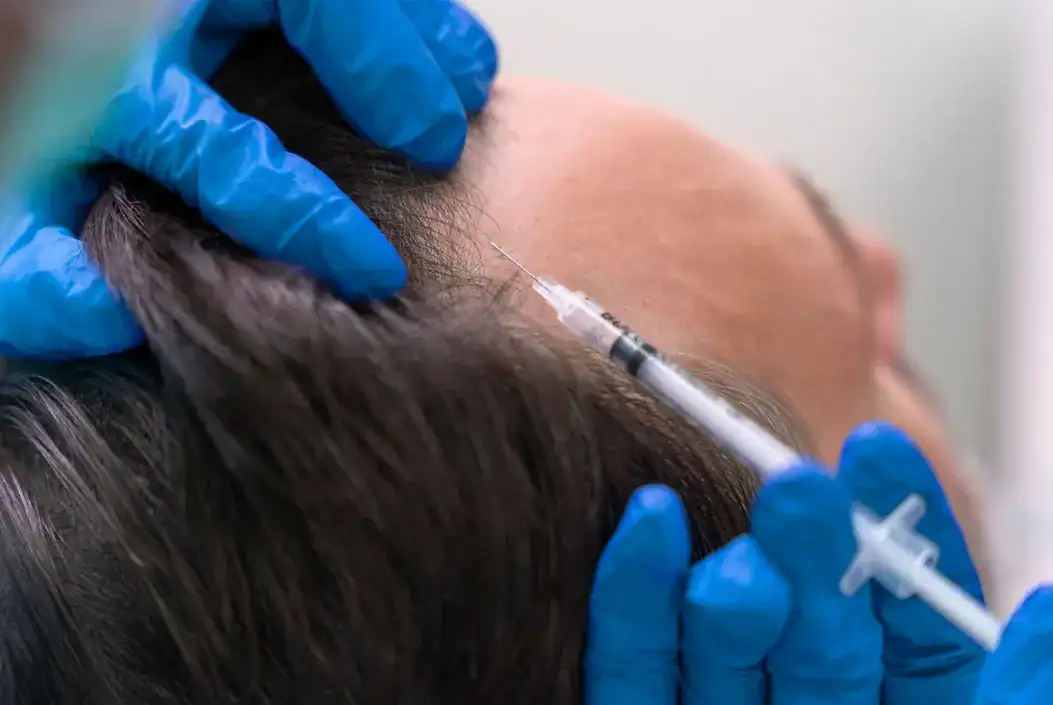
Before a hair transplant, local anesthesia is injected into two areas: the Donor Area, where hair grafts are taken, and the Recipient Area, where the grafts are implanted. Discomfort is usually brief and occurs when the needle is first inserted. Once the anesthesia takes effect, sensation in the area is reduced.
As for general anesthesia, it is technically possible but is not commonly used at most hair transplant clinics. Local anesthesia is generally sufficient for managing discomfort, while general anesthesia involves additional risks and more complex preparation. Overall, when asking “Does Hair Transplant Hurt?”, discomfort can generally be managed throughout the procedure.
What Are the Different Hair Transplant Techniques? Which One Is More Painful?
There are several hair transplant techniques available today, each with different procedures and levels of discomfort. Many people ask, “Is Long Hair Transplant painful?” and how long recovery takes. Here is an overview of the main techniques.
FUE Hair Transplant
FUE (Follicular Unit Extraction) involves extracting individual healthy hair grafts from the back of the scalp and transplanting them to the desired area. It may be suitable for people with bald spots, a receding hairline, or those looking to reshape their hairline. Since the extraction sites are small, similar to tiny needle marks, post-procedure discomfort is generally manageable, and daily activities can usually be resumed relatively soon.
Non-Shaven FUE Hair Transplant
Non-Shaven FUE is an FUE technique that does not require shaving the hair at the back of the scalp. This allows the existing hairstyle to remain and can make post-procedure marks less noticeable. Hair grafts are extracted between the existing hair, making it a suitable option for those who prefer to maintain their appearance and privacy. It can also be convenient for people with limited time, as they may return to their usual activities without significantly changing their hairstyle.
MCG Hair Transplant
MCG (Micrograft) is a form of FUE that uses small instruments to extract healthy hair grafts from the back of the scalp and transplant them to the desired area. The technique uses finely prepared grafts, allowing careful placement of the hair direction and angle. It may be suitable for people with crown balding, bald spots, or a receding hairline who want to increase hair density, particularly around the crown or front hairline where detailed placement is important.
DHI Hair Transplant
DHI (Direct Hair Implantation) is a technique derived from FUE. Hair grafts are extracted using FUE and implanted with an Implanter Pen, which places the graft directly into the scalp without creating recipient sites beforehand. This allows continuous placement while controlling the direction and density of the transplanted hair. DHI may be suitable for people with a receding hairline who want detailed control over hair placement and a natural-looking appearance.
Does Pain Affect Hair Transplant Results? Why Does Pain Vary Between Individuals?
Some people may worry that experiencing more discomfort during a hair transplant could affect the outcome. However, the level of discomfort does not determine the quality of the transplanted grafts. Results depend more on factors such as the technique used, the doctor’s experience, and post-procedure care.
The answer to “Does Hair Transplant Hurt?” can vary from person to person because everyone has a different pain tolerance and sensitivity. Some people may be more sensitive to sensations around the scalp, so their experience can differ even when undergoing the same technique.
Does a Hair Transplant Hurt After the Procedure? How Long Does the Pain Last?
Once the anesthesia wears off within a few hours, some people may experience scalp tightness, mild itching, or a dull ache around the treated areas. These are common after the procedure and can usually be managed with proper care as advised by the doctor. The discomfort generally decreases gradually and often improves within 3–7 days. Recovery time can vary from person to person.
Does Hair Transplant Hurt? Discomfort Varies Between Individuals
There is no single answer to “Does Hair Transplant Hurt?” as the level of discomfort can vary depending on factors such as local anesthesia and individual pain tolerance. This does not affect the quality or outcome of the transplanted hair grafts. Choosing a reputable Hair Transplant clinic Bangkok with attentive care throughout the procedure, such as Max Hair Clinic, can help provide a comfortable treatment experience. For those looking for the Best Hair Transplant in Thailand Price, consultation with a doctor can help determine a suitable treatment plan.
For consultations or more information:
- Whatapps : +66 82 587 4664
Frequently Asked Questions About Hair Transplant Pain
How Many Hours Does a Hair Transplant Take?
A hair transplant generally takes around 4–8 hours per session, depending on the number of grafts and technique used.
What Can I Expect from a 2,000-Graft Hair Transplant?
The number of grafts needed depends on the size and location of the treatment area. A doctor will assess each individual to determine a suitable number. Results develop gradually as the transplanted hair grows.
How Many Days of Recovery Are Needed Before Returning to Work?
Most people can return to work within 3–5 days. However, strenuous activities and contact with the treated area should be avoided during the initial recovery period.