Hair thinning and hair loss can significantly affect your confidence in everyday life. These conditions are often caused by genetics, hormonal changes, or lifestyle factors that weaken the hair follicles and overall hair structure. Choosing the right treatment is essential for addressing the underlying cause and achieving visible, long-lasting results. Effective solutions, such as hair transplantation, can restore natural hair growth and help you regain your confidence.
Hair transplantation is a safe and effective permanent solution for hair loss. Explore the latest hair transplant techniques and find the right option for you in this article.
Key Takeaways
- Hair transplantation restores thinning or bald areas by relocating healthy hair follicles, delivering natural and permanent results.
- Hair transplantation offers various techniques, including FUE, MCG, Non-Shaven, and Long Hair, to suit different needs and lifestyles.
- Proper post-transplant care and following your doctor’s instructions are essential for achieving the best hair transplant results.
- A certified clinic and experienced doctors help minimize infection risks and ensure a safe hair transplant procedure.
Table of Contents
- What Is a Hair Transplant?
- What Causes Hair Thinning and Baldness?
- What Are the Different Hair Transplant Techniques?
- Benefits and Limitations of Hair Transplant
- Who Is Suitable for Hair Transplant?
- How to Prepare Before a Hair Transplant?
- What Is the Hair Transplant Process from Start to Finish?
- How Should You Take Care of Yourself After a Hair Transplant?
- What Are the Common Side Effects After a Hair Transplant?
- Hair Transplant Reviews from International Patients at Max Hair Clinic
- Hair Transplant for Thicker Hair and Renewed Confidence at Max Hair Clinic
- Frequently Asked Questions About Hair Transplant
What Is a Hair Transplant?

Hair transplantation is a minimally invasive surgical procedure that involves relocating healthy hair follicles from the donor area at the back of the scalp, where the follicles are naturally resistant to the effects of dihydrotestosterone (DHT). These follicles are then transplanted into thinning, balding, or receding areas of the scalp to restore natural hair growth. Before the procedure, the doctor carefully evaluates the number of hair grafts required and designs a new hairline to achieve balanced density, natural-looking results, and a hairline that complements the patient’s facial features
What Causes Hair Thinning and Baldness?
Understanding the causes of hair thinning can help you and your doctor choose the most appropriate treatment plan, including the right hair transplant technique. Common causes of hair thinning and baldness include:
- Genetics and DHT Hormones : Hereditary factors and the hormone dihydrotestosterone (DHT) can shrink hair follicles, shortening the hair growth cycle and causing hair to become thinner before eventually falling out.
- Lifestyle Factors : Smoking, excessive alcohol consumption, and chronic stress can reduce blood circulation to the scalp, affecting the health of hair follicles and contributing to hair loss.
- Vitamin and Mineral Deficiencies : Insufficient levels of essential nutrients such as zinc, biotin, and iron can weaken the hair structure, leading to excessive hair shedding and thinning.
- Unsuitable Hair Care Products : Using harsh or unsuitable hair care products, including certain shampoos or topical hair treatments, may irritate the scalp, trigger allergic reactions, and negatively affect overall hair health.
What Are the Different Hair Transplant Techniques?
Hair transplantation is available in several techniques, each differing in the method of follicle extraction and the tools used. These range from transplanting individual hair grafts to preserving long hair during the procedure. The main techniques include
| Hair Transplant Technique | Technical Highlights | Suitable Candidates |
| FUE (Follicular Unit Extraction) | Extracts hair follicles one graft at a time using a 0.8 mm punch, achieving a density of approximately 45–50 grafts/cm² with minimal scarring and rapid recovery. | People with general baldness issues who prefer minimal scarring, fast healing, and minimal downtime. |
| MCG (Micrograft) | Uses a 0.6 mm mini-punch with a high-resolution magnification microscope to select intact grafts, achieving a density of approximately 50–55 grafts/cm² with minimal tissue trauma.. | Those who need high density and desire a meticulous, natural-looking, and soft hairline outcome. |
| Non Shaven FUE | Extracts hair follicles without shaving the back of the head (donor area), seamlessly concealing the wounds. | Those who do not want others to know they just had a hair transplant, or need to quickly return to social events and work. |
| Long Hair MCG | Transfers long, intact hair strands to the target area, providing an immediate view of a beautiful, long, and realistic hairline right after the procedure. | Those who want to see the direction, density, and new hairline immediately upon completion of the surgery, as well as those who prefer not to shave their hair. |
MCG (Micrograft) Hair Transplant
MCG (Micrograft) Hair Transplant is an FUE (Follicular Unit Extraction) technique that uses a smaller punch tool than conventional FUE to extract individual hair grafts.Each graft is then meticulously trimmed under a high-powered microscope, allowing only the healthiest and most intact follicles to be selected for transplantation. This precision helps achieve higher graft survival rates, natural-looking density, and refined hairline design.
FUE (Follicular Unit Extraction) Hair Transplant
The FUE (Follicular Unit Extraction) technique uses an ultra-fine 0.8 mm punch to extract individual hair follicles with minimal trauma to the scalp. Combined with precise graft placement and hairline planning, this approach can achieve up to 20% greater hair density compared to conventional methods, delivering more natural-looking and fuller results. The refined technique also offers a more comfortable treatment experience with minimal scarring and faster recovery.
Non-Shaven FUE Hair Transplant
Non-Shaven FUE is a hair transplant technique that allows hair grafts to be extracted without shaving the donor area. Using precision extraction punches and graft collection instruments, surgeons can preserve the patient’s existing long hair throughout the procedure. This approach provides an early preview of the expected results, allowing both the donor and recipient areas to appear more natural immediately after treatment while helping the doctor accurately assess hair direction and density.
Long Hair MCG Hair Transplant
Long Hair MCG is ahair transplant technique that allows patients to keep their hair long throughout the procedure, making it possible to see the new hairline immediately after treatment. This approach provides a more realistic preview of the final results while delivering natural-looking outcomes with minimal disruption to the patient’s appearance.
Benefitsand Limitations of Hair Transplant

Understanding both the benefits and limitations of hair transplant surgery helps patients set realistic expectations and prepare appropriately for the procedure and recovery process.
Benefits of Hair Transplant
- Effectively treats baldness and receding hairlines at the root cause, helping restore a more youthful and well-balanced facial appearance.
- Transplanted hair grows naturally and can be cut, styled, or dyed like normal hair.
- Provides long-lasting confidence in appearance and personality, reducing concerns in social or professional situations.
- A minimally invasive procedure performed under local anesthesia, without the need for general anesthesia and without a long linear scar.
Limitations of Hair Transplant
- Hair transplant procedures can be relatively expensive compared to other non-surgical hair loss treatments. However, many patients consider it a worthwhile long-term investment due to its permanent results.
- Full results take time, as newly transplanted hair requires several months to grow, with final outcomes typically visible after around 9–12 months.
- Patients with limited donor hair or weak hair follicles in the back of the scalp may face restrictions in achieving high density in the treated areas.
Who Is Suitable for Hair Transplant?
A medical evaluation by a doctor is essential to assess the strength of the hair follicles and determine suitability for the procedure. The following groups are generally good candidates for hair transplantation:
- Men and women experiencing baldness or a receding hairline that causes a wider forehead and unbalanced facial proportions.
- Individuals with chronic hair thinning or hair loss that has progressed to clearly visible scalp areas and does not respond to medication-based treatments.
- Those who want to create a new hairline to enhance facial aesthetics and achieve a softer, more balanced appearance.
- People seeking a definitive, long-term solution for hair loss that provides lasting results without ongoing concerns about recurring hair thinning or shedding.
How to Prepare Before a Hair Transplant?
Patients are required to strictly follow the medical team’s instructions during the week leading up to the procedure to ensure the body is fully prepared for surgery. Important guidelines include:
- Stop taking blood-thinning medications, vitamins, and all types of dietary supplements at least two weeks before the scheduled procedure.
- Avoid smoking and alcohol consumption for at least one week, as they can affect blood circulation and wound healing.
- Wash your hair thoroughly on the morning of the procedure and avoid using any gel, spray, or hair oil on the scalp.
- Get adequate rest (at least 6–8 hours) and wear button-up clothing for easier changing after the procedure.
What Is the Hair Transplant Process from Start to Finish?
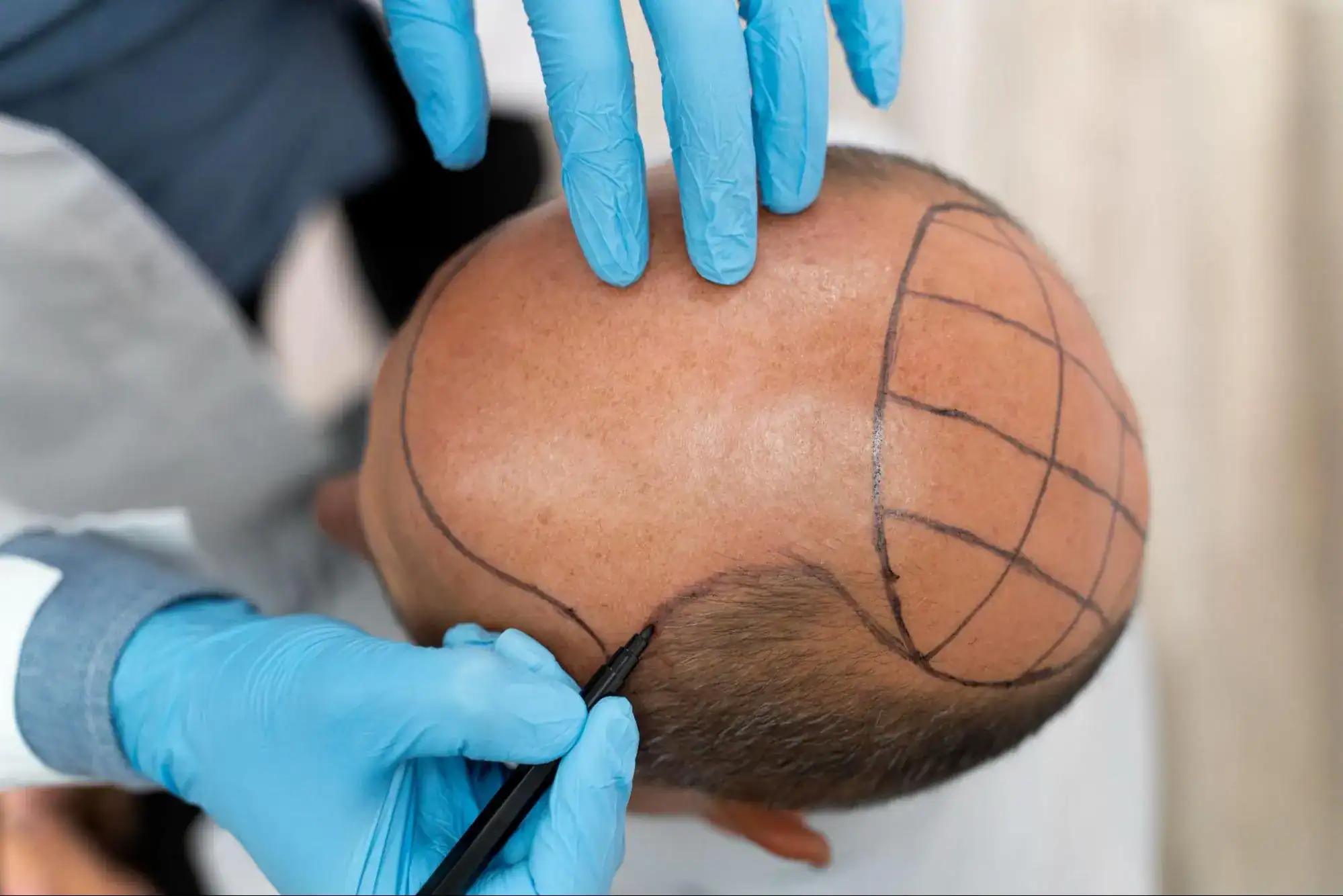
To help patients feel more comfortable and understand the structured, standardized treatment process at Max Hair Clinic, the procedure can be summarized into the following steps:
- Hairline Design and Graft Assessment: The doctor consults with the patient to design a new hairline that suits facial features and accurately calculates the required number of grafts.
- Preparation and Local Anesthesia: The scalp is cleaned, and local anesthesia is administered to the donor area at the back of the head to ensure a painless procedure.
- Follicle Extraction (Harvesting): The doctor uses a micro punch tool to carefully extract hair follicles one graft at a time, preserving their integrity.
- Graft Sorting and Preparation: Extracted grafts are examined, sorted, and refined under a high-magnification microscope to ensure they are ready for implantation.
- Hair Implantation: Tiny recipient sites are created, and the prepared grafts are implanted according to the correct angle, direction, and density for natural-looking results.
If you are interested in hair transplant, you can view our packages here: hair transplant thailand package.
How Should You Take Care of Yourself After a Hair Transplant?
Behaviors during the first week after the procedure significantly impact long-term results. Patients should strictly follow aftercare instructions as follows:
- Avoid scratching, picking, or touching the newly transplanted area to prevent dislodging the grafts.
- Sleep on your back with your head elevated using a neck pillow to reduce swelling in the face and forehead during the first three days.
- Gently spray sterile saline solution on the transplanted area as recommended by your doctor to keep it moisturized and support proper scab formation.
- Avoid heavy exercise, swimming, and direct sun exposure for at least two weeks to reduce the risk of infection from sweat and heat.
What Are the Common Side Effects After a Hair Transplant?
Understanding these temporary symptoms can help reduce anxiety and ensure patients can manage their recovery properly. Common post-transplant effects include:
- Swelling around the forehead and eyes, which typically occurs within the first 2–3 days and gradually subsides on its own.
- Small scabs forming around the newly implanted hair follicles, which usually dry out and fall off naturally within about two weeks.
- Temporary hair shedding (shock loss) during the first months, which is a normal phase as older hairs fall out to allow stronger new growth.
- Itching or tightness in both the donor and recipient areas, which can be relieved with prescribed medication from the doctor.
Hair Transplant Reviews from International Patients at Max Hair Clinic
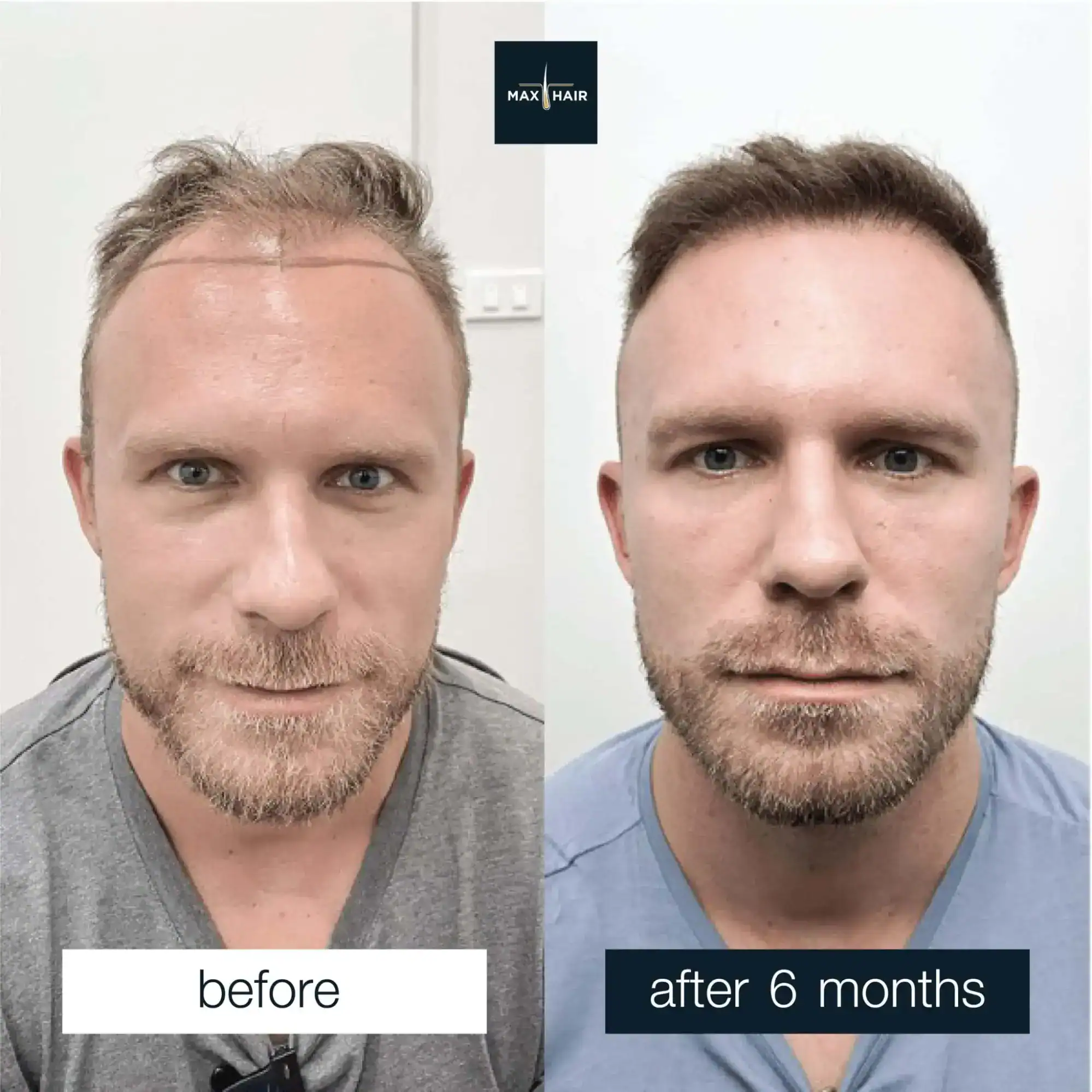
Hair Transplant for Thicker Hair and Renewed Confidence at Max Hair Clinic
If you are struggling with hair loss that is affecting your confidence and are looking for a standard hair transplant clinic in Bangkok, choosing Max Hair Clinic can be the solution to permanently transform your hair and appearance. With an experienced medical team that understands each patient’s concerns, along with modern treatment techniques and strict hygiene standards, we are a trusted hair transplant clinic Bangkok committed to restoring your confidence through personalized hairline design that suits your facial features.
For more information or consultation about hair transplant Bangkok cost, please contact us:
- WhatsApp +66 82 587 4664
Frequently Asked Questions About Hair Transplant
How Long Does a Permanent Hair Transplant Last?
Hair transplanted from the donor area at the back of the scalp is generally permanent, as these follicles are not affected by the DHT hormone. As a result, the new hair grows stronger, more resilient, and is not typically affected by genetic hair loss. If you are concerned about whether hair loss will return or what vitamins may cause hair shedding, you can be reassured that donor hair is highly resistant to male pattern baldness.
What Is the Recommended Age for a Hair Transplant?
In general, it is recommended to consider a hair transplant from around 20–22 years of age and above. At this stage, the pattern of hair loss and hairline stability becomes clearer, allowing doctors to plan and design the most accurate treatment approach. Early consultation is encouraged to help with long-term planning and to determine the most suitable hair restoration strategy.
How Many Hairs Are in 1,000 Grafts?
Medically, one hair graft typically contains about 1–4 hair follicles, depending on individual hair characteristics. Therefore, 1,000 grafts usually equal approximately 2,000–2,500 hair strands in total. However, The exact number may vary based on the patient’s hair density and should always be assessed by a doctor to ensure the most accurate treatment planning.