Dr.Jeen /Passaporn Romchatthong Medical license 75224
Dutasteride is a medication name often mentioned in connection with hair loss and thinning hair, especially among people who wonder whether their hair problems may be related to hormones. Before choosing to use the medication, however, it is worth understanding what dutasteride is, when it is used and what should be known about it. This article therefore gathers key information about dutasteride to help support a more careful decision.
Key Takeaways
- Dutasteride helps lower the production of the hormone DHT and is considered for managing hereditary hair loss in some men.
- The dose of dutasteride can differ depending on the purpose of use, for example dutasteride 2.5. The dose should not be adjusted without medical guidance, and the medication must be taken as the doctor advises.
- Dutasteride’s MOA, or mechanism of action, is to inhibit the 5-alpha reductase enzyme involved in converting testosterone into DHT, which lowers DHT levels in the body.
- Before deciding to use it, the decision should not rest only on whether the price of dutasteride is low or high. The cause of hair loss, the medication’s suitability and a doctor’s advice should be considered.
Table of Contents
- What Is Dutasteride?
- Uses of Dutasteride
- Who Is Dutasteride Suitable For?
- Who Should Not Use Dutasteride?
- Recommendations for Using Dutasteride
- Precautions to Know Before Using Dutasteride
- Possible Side Effects After Using Dutasteride
- How Does Dutasteride Differ from Finasteride?
- How Should Dutasteride Be Stored?
- Other Options for Treating Hair Loss If Dutasteride Does Not Work
- Dutasteride and Hair Loss Care: Use It Appropriately and Consult a Doctor Before Deciding
- Frequently Asked Questions About Dutasteride
What Is Dutasteride?

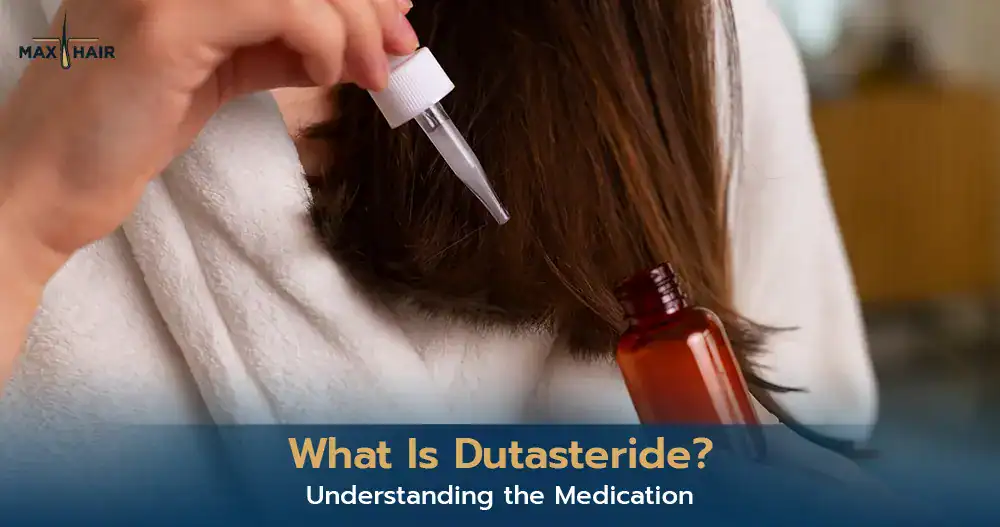
Dutasteride is a medication that helps reduce the conversion of the hormone testosterone into DHT, a hormone associated with hereditary hair loss or a receding hairline in some people. When DHT levels fall, it may help reduce the factors involved in the gradual shrinking of hair follicles on the scalp. The medication has therefore attracted attention for managing thinning hair and hair loss.
Generally, dutasteride 0.5 mg is a dose used medically for an enlarged prostate. Using dutasteride to address hair loss is off-label, meaning outside the approved indication, so a doctor should first assess what is causing the hair loss and whether medication is suitable. Using it without guidance may not suit each person’s health.
Dutasteride has trade names such as Avodart 0.5 mg, which contains dutasteride as its active ingredient, so searches for “dutasteride Avodart” may come up when researching this medication. However, product names and forms may differ by country and manufacturer. Before using dutasteride, a doctor should therefore assess the problem to choose an approach suited to each person.
Uses of Dutasteride
Dutasteride lowers levels of the hormone DHT, which is formed from the conversion of testosterone. It acts by inhibiting both type 1 and type 2 of the 5-alpha reductase enzyme, which reduces DHT production and may help reduce the impact this hormone has on hair follicles. The medication is therefore used for an enlarged prostate and has attracted attention for managing hereditary hair loss or thinning hair on crown.
As for how it acts, study data show that dutasteride can lower DHT levels in the body to a high degree and has broader action on the 5-alpha reductase enzyme than finasteride. This does not mean, however, that dutasteride is more suitable or gives better outcomes for everyone. The medication should be chosen mainly according to the cause of hair loss, health status and a doctor’s advice.
Who Is Dutasteride Suitable For?
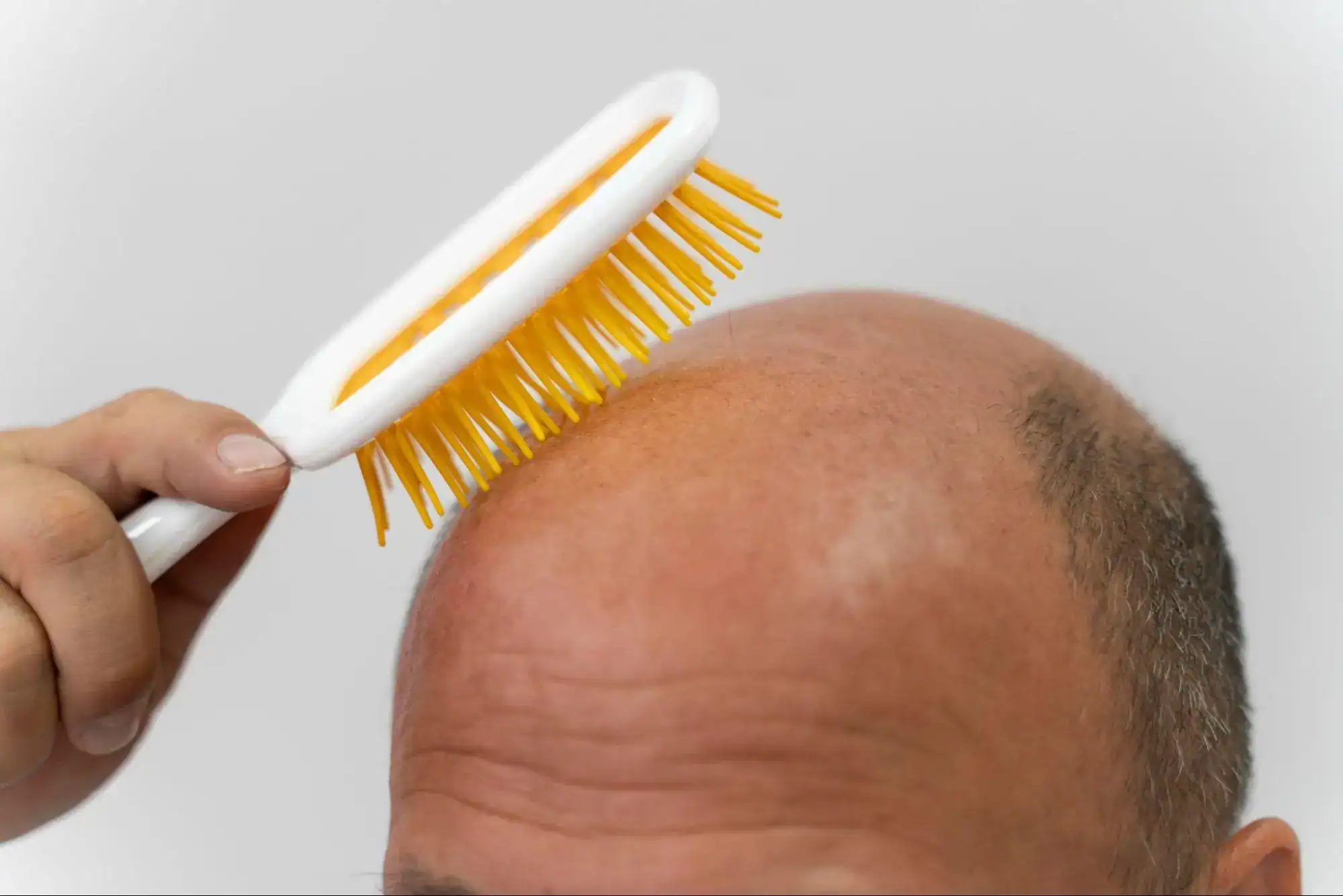
Dutasteride is an option for people with hair loss, especially hair loss related to genetics and the hormone DHT. It is considered suitable for:
- Men with hereditary hair loss, especially thinning at the forehead, hairline or thinning hair on crown, which may relate to the sensitivity of hair follicles to DHT
- People with thinning hair from hormonal factors where follicles are still present in the thinning area, because lowering DHT may help reduce the factors involved in hair becoming finer
- People in the early to moderate stage of hair loss who still have hair growing in the thinning area and want additional options for care
- People who have used finasteride and want to evaluate other options. A doctor may weigh dutasteride against finasteride according to the problem and each person’s suitability.
Who Should Not Use Dutasteride?
Although dutasteride is commonly used for people with hair loss, it does not suit everyone. People with health conditions in particular should tell the doctor about their health information and current medications before dutasteride is considered.
- People who have had an allergy to dutasteride or its ingredients should avoid it and tell the doctor about their drug allergy history.
- Women and children should not use dutasteride, especially women who are pregnant or may become pregnant, because the medication may affect the development of a male fetus.
- People with severe liver disease should avoid it or use it with particular caution, because dutasteride is eliminated through the liver.
- People taking certain medications should inform a doctor or pharmacist first, because some drug groups may interact with dutasteride and affect drug levels in the body.
- People whose cause of hair loss is not yet clear should not start the medication on their own, because hair loss can have many causes, and identifying the cause first helps choose a more suitable approach to care.
Recommendations for Using Dutasteride
Before using dutasteride, a doctor should be consulted to assess the cause of the problem and the medication’s suitability, especially for people interested in using dutasteride for hair loss, since this use is off-label. The dose and method of use should follow the doctor’s advice. The medication should not be increased, reduced or stopped without guidance, and the doctor should be told about underlying conditions and current medications before starting.
People using dutasteride should take it as the doctor directs and swallow the capsule whole, without opening or crushing it, because the contents may cause irritation. If a dose is missed, a double dose should not be taken, and the doctor’s advice should be followed. Unusual symptoms during use should also be monitored, and the doctor should be told about any concerning symptoms.
Precautions to Know Before Using Dutasteride
Before using dutasteride, the doctor should be told about underlying conditions, current medications and drug allergy history so that suitability can be assessed. Precautions for dutasteride are as follows.
- People with liver problems should tell the doctor before using the medication, especially those with severe liver abnormalities, because dutasteride is eliminated from the body through the liver.
- Women who are pregnant or may become pregnant should not touch a broken or leaking dutasteride capsule, because the medication can be absorbed through the skin. If direct contact occurs, the area should be washed with soap and water.
- People who regularly use other medications should tell the doctor or pharmacist first, because some medications may affect drug levels in the body.
- The dose should not be adjusted without guidance, because the suitable dutasteride dosage may differ from person to person. The medication should be used as the doctor advises, without increasing or reducing the dose.
- Unusual symptoms during use should be monitored, such as rash, swelling or allergic reactions, as well as changes in sexual function.
- Only intact capsules should be used. If a capsule is broken, leaking or has medication seeping out, it should not be touched directly, and the medication should be stored where children and women have difficulty reaching it.
- Follow-up appointments should be kept so the doctor can assess symptoms and whether continued use remains suitable.
Possible Side Effects After Using Dutasteride
Using dutasteride may cause side effects in some people, particularly those related to sexual function, such as reduced sexual desire, reduced erectile function or lower semen volume. These do not occur in everyone, and severity can differ from person to person, so changes in the body should be monitored at all times.
Beyond physical symptoms, dutasteride side effects may involve mood in some people, such as depression. If feelings of sadness occur, a doctor should be consulted to consider an appropriate approach. Another point to monitor is prostate health, because dutasteride can lower PSA levels, a value used to help assess prostate abnormalities. People using the medication should therefore tell the doctor every time.
How Does Dutasteride Differ from Finasteride?
Dutasteride and finasteride both lower levels of the hormone DHT, but they differ in how they act and how they are used. The table below compares dutasteride vs finasteride to show the differences more clearly.
| Topic | Dutasteride | Finasteride |
| Enzyme inhibited | Acts on both type 1 and type 2 5-alpha reductase | Acts mainly on type 2 5-alpha reductase |
| DHT reduction | Lowers DHT more, because it acts on both types of the enzyme | Significantly lowers DHT levels in the body |
| Commonly used dose | 0.5 mg per day, but use for hair loss should be under a doctor’s guidance | 1 mg per day for the hair loss indication in men |
| Time the drug stays in the body | Stays in the body longer and takes longer to decline after stopping | Stays in the body for a shorter period |
| Use for hair loss | Study data exist on hair loss, but use for this purpose may be off-label | Has an indication for hereditary hair loss in men |
| Side effects to know | May cause reduced sexual desire, reduced erectile function or lower semen volume, as well as breast tenderness or pain | May cause reduced sexual desire, reduced erectile function or lower semen volume in some people |
How Should Dutasteride Be Stored?
Dutasteride should be stored in its original, tightly closed packaging in a dry place at a temperature not exceeding 25 degrees Celsius, away from sunlight, heat and moisture. It should not be kept in the freezer or in places with high humidity such as the bathroom, nor left in a hot car. It should be kept out of reach of children and pets, and if a capsule is broken or the medication leaks, it should not be touched directly.
Other Options for Treating Hair Loss If Dutasteride Does Not Work
If dutasteride does not work, other approaches can address the problem. The choice should be based on the cause, the degree of thinning and the condition of the scalp, so that it suits each person.
Treatment with a Hair Transplant
For people with clearly thinning hair or bald areas, ahair transplant is another option that adds hair where it is wanted. A hair transplant clinic that meets proper standards should be chosen, and a doctor should assess the hairline and the donor area at the back of the head before treatment begins. For those interested in how suitable a hair transplant is for hair thinning, whether the procedure hurts and what thehair transplant Bangkok cost looks like, a doctor can assess the number of grafts before a decision is made.
Treatment with Procedures
For cases that have not reached the point of needing a hair transplant, procedures that care for the hair and scalp alongside the main treatment may be considered, such as platelet-rich plasma (PRP) injections or low-level laser therapy. The doctor selects the method to suit each person’s cause and hair condition.
Treatment Through Lifestyle Changes
Self-care also helps reduce factors that trigger more hair loss, especially diet and rest. If hair loss continues, the cause should be investigated before buying vitamins to take on one’s own. Many people may wonder which vitamin deficiency causes hair loss, but receiving more vitamins than necessary can also harm the body.
Dutasteride and Hair Loss Care: Use It Appropriately and Consult a Doctor Before Deciding
Dutasteride lowers production of the hormone DHT and may be used in men with certain types of hereditary hair loss, but use should always be assessed by a doctor first, especially for people with a bald center or continuing patchy hair loss, because the approach to care can differ according to the cause and the condition of the hair follicles.
For people with extensive thinning or clearly bald areas, a hair transplant is another option that can be considered. Max Hair Clinic offers hair assessment and hair transplant planning suited to each person, such as FUE, one of the hair transplant techniques, in which grafts are harvested one hair follicle at a time and then transplanted into the desired area.
Max Hair Thailand currently has 9 branches across Thailand. People with thinning hair or a bald center who want to assess whether a hair transplant is suitable can contact Max Hair Clinic to talk with the team and book an assessment at the following branches:
- Bangkok Hair Transplant Clinic
- Phuket Hair Transplant Clinic
- Pattaya Hair Transplant Clinic
- Chiang Mai Hair Transplant Clinic
- Surat Thani Hair Transplant Clinic
- Udon Thani Hair Transplant Clinic
- Khon Kaen Hair Transplant Clinic
- Hat Yai Hair Transplant Clinic
- Ubon Ratchathani Hair Transplant Clinic
For consultations or more information:
- WhatApps +66 82 587 4664
Frequently Asked Questions About Dutasteride
Does Dutasteride Require a Prescription, and Can It Be Bought Without One?
Dutasteride should be used only after assessment and advice from a doctor, especially when it is used for hair loss. It should not be bought and taken on one’s own without knowing the cause of the hair loss.
Will Hair Fall Out Again After Stopping Dutasteride?
If dutasteride is used to manage hereditary hair loss, the DHT-lowering action gradually declines once the medication is stopped, and hair that was being maintained by the medication may become thinner again later. A doctor should therefore be consulted before stopping the medication.
Can Dutasteride Be Used Together with Minoxidil?
In some cases a doctor may consider using dutasteride together with minoxidil to manage hair loss, but the cause and health status should be assessed before the medications are combined. It should not be started without guidance.
Can Women with Baldness Use Dutasteride?
Generally, dutasteride is not recommended for women with baldness, especially those who are pregnant. Women with thinning hair should see a doctor to identify the cause and choose a suitable approach to care.