Dr.Jeen /Passaporn Romchatthong Medical license 75224
Minoxidil is one of the medications frequently discussed among people experiencing hair loss and thinning hair, whether it is hair that falls out on the comb every day or a hairline that gradually thins until the change is clearly noticeable. These problems can have a considerable impact on confidence in daily life.
It is therefore not surprising that a hair medication such as minoxidil is one of the first options many people think of. Before deciding to use it, however, it is worth understanding what minoxidil is, how many types there are, how to use it correctly and which side effects to watch for.
Key Takeaways
- Minoxidil is a medication used to manage certain types of hair loss. It comes in both topical and oral forms, which differ in how they are used and in their precautions.
- The type and dose of minoxidil should be matched to the cause of hair loss. “Minoxidil 5” usually refers to a 5% concentration in topical products, not a 5 mg dose.
- Using minoxidil requires consistency. Generally, several months are needed before changes in the hair can be assessed, and the response depends on the individual’s cause of hair loss and scalp condition.
- Possible side effects range from an itchy or irritated scalp to symptoms such as palpitations, dizziness or swelling, especially with the oral form, so any unusual symptoms during use should be monitored.
- If hair keeps thinning or the center remains bald after using minoxidil, the cause should be assessed further, and options such as a hair transplant by a doctor can be considered as appropriate.
Table of Contents
- What Is Minoxidil?
- Uses of Minoxidil
- Types of Minoxidil
- Treating Hair Loss with Minoxidil
- Who Is Minoxidil Suitable For?
- Precautions Before Using Minoxidil
- Possible Side Effects After Using Minoxidil
- Comparing Minoxidil, Finasteride and Dutasteride
- How to Use Minoxidil Correctly
- How Long Does It Take for Minoxidil to Work?
- What to Do If Hair Still Does Not Grow After Using Minoxidil
- Minoxidil and Hair Transplant Options at Max Hair Clinic
- Frequently Asked Questions About Minoxidil
What Is Minoxidil?
Minoxidil is a drug originally developed to treat high blood pressure. It works by dilating the blood vessels (vasodilator), so blood flows more easily and blood pressure falls.
It was later observed that people who used minoxidil continuously had new hair and body hair growth as a side effect. This was studied further and has become one of today’s approaches to managing hair loss. Minoxidil is available in several forms, depending on how it is used and the purpose of treatment.
- Active ingredient: minoxidil
- Drug class: Antihypertensive (blood pressure medication)
- Drug category: Dangerous drug, to be used only as directed by a doctor
- Action: Dilates blood vessels (vasodilator)
- Side effect: New growth of hair and body hair (this side effect has since been developed into minoxidil for treating hair loss)
- Forms: Oral (tablet) and topical (foam or spray)
Uses of Minoxidil
Minoxidil was originally developed as a medication to treat high blood pressure, but one of its side effects later became the basis of today’s hair growth medication. Its uses can be divided as follows.
- Lowering blood pressure in people with high blood pressure: High blood pressure is partly caused by blood vessels that constrict or narrow, so blood circulates less smoothly. Minoxidil works by dilating the blood vessels, so blood circulates better and blood pressure falls.
- Treating hair loss, thinning hair and baldness: Because minoxidil dilates blood vessels, the hair roots on the scalp receive more nutrients from circulating blood, which helps stimulate hair growth. Minoxidil used to treat baldness and hair loss contains a smaller amount of active ingredient than the type used to lower blood pressure, to reduce the risk of other side effects.
Those interested in a targeted, long-term approach to restoring hair can also read more about hair transplant.
Types of Minoxidil

Minoxidil used to treat hair loss today comes in two main forms, topical and oral, which differ in how they are used and in their characteristics, as follows.
Topical Minoxidil
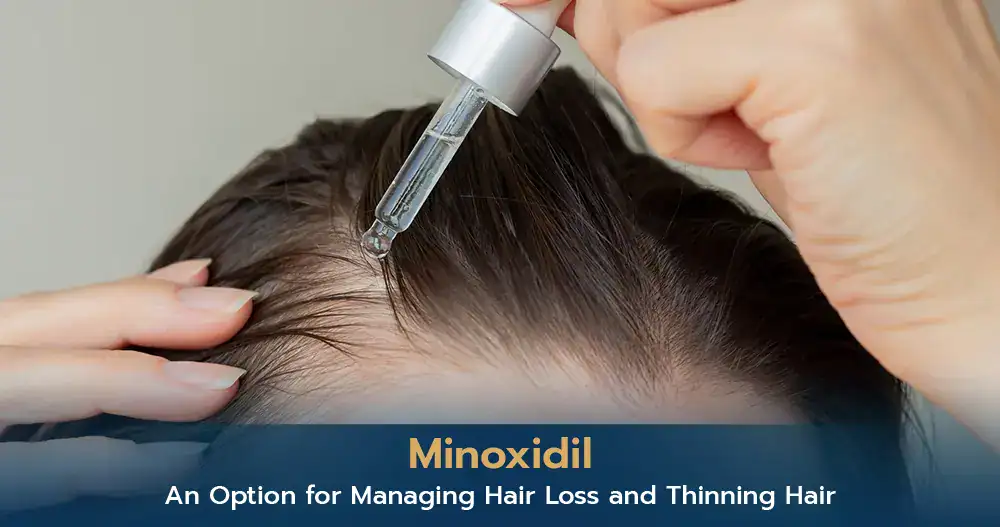
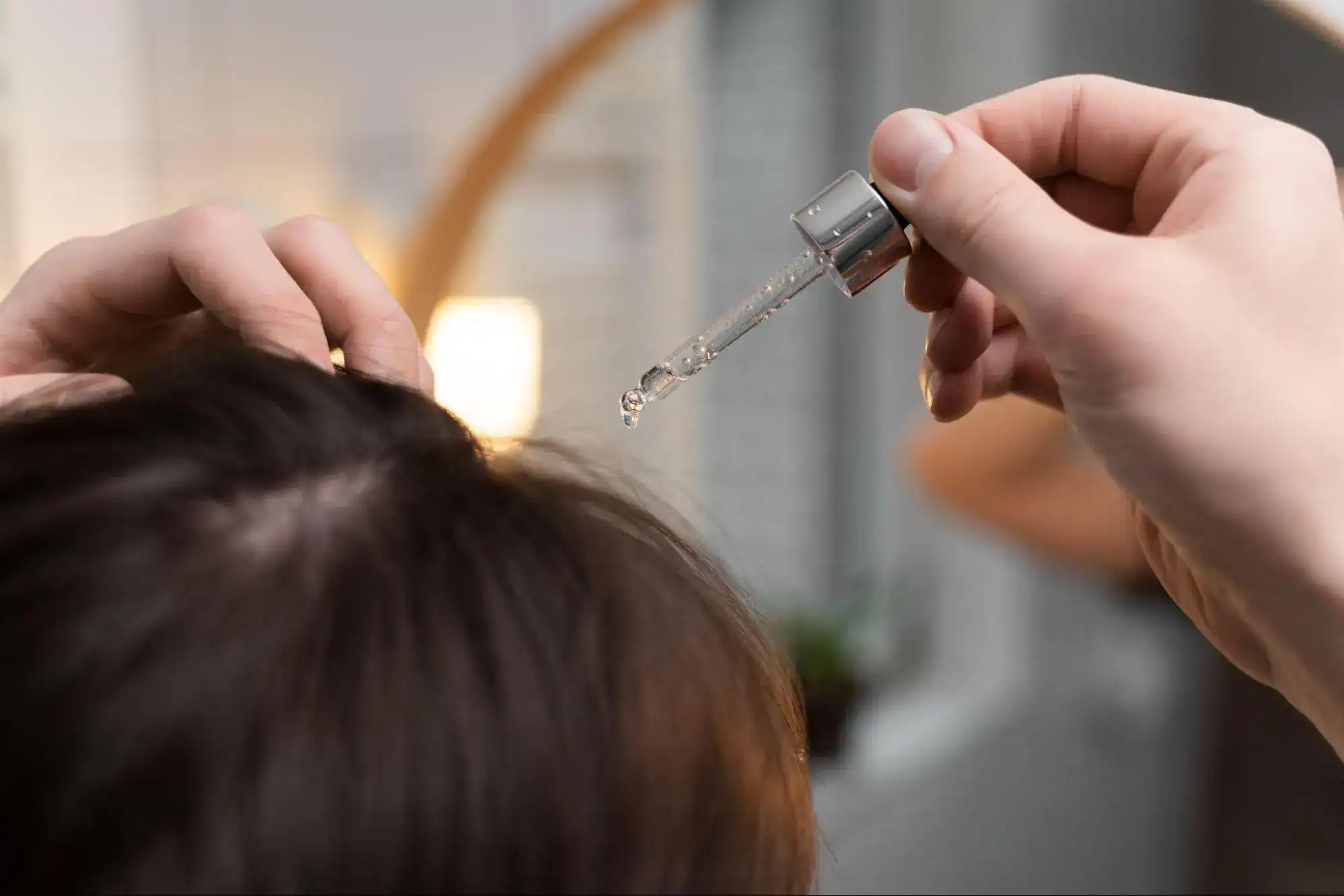
Topical minoxidil comes in several forms, including liquid, spray and foam. Its key characteristic is that it can be applied only to the area where hair growth is wanted. It should be applied so that it touches the scalp directly, allowing the medication to absorb down to the hair roots. The liquid form is the traditional type and is still widely used, while the foam form was developed later to reduce stickiness and white residue after use. Many brands and concentrations are available on the market. When considering which brand of minoxidil 5% to choose, follow the doctor’s recommendation so that it suits each person’s scalp condition.
Oral Minoxidil
Oral hair growth medication comes as tablets. Minoxidil is absorbed into the body easily, with no time spent applying it and no sticky feeling or scalp irritation. However, oral minoxidil cannot be directed to a chosen area the way the topical form can, so hair may also grow on other parts of the body. This usually fades gradually on its own once the medication is stopped. In some cases a doctor may recommend using both forms of minoxidil together to support the hair treatment plan and better meet individual needs.
Treating Hair Loss with Minoxidil
Improved blood circulation is the key reason minoxidil, originally a blood pressure medication, became a widely used approach to hair loss. It works through the following steps:
- When minoxidil touches the scalp and seeps through the hair follicles to the roots (topical form), or is absorbed into the bloodstream (oral form), it helps the blood vessels in that area dilate.
- As the blood vessels dilate, circulation improves.
- Well-circulating blood carries nutrients more thoroughly to different parts of the body, including the hair roots.
- When the hair roots receive enough nutrients, they can grow and develop into new hair more readily.
Generally, minoxidil 5 or minoxidil 5 mg is a strength that doctors often consider for long-term hair loss treatment. The suitable amount and form, however, should follow a doctor’s advice so that treatment matches each person’s hair and scalp condition.
Who Is Minoxidil Suitable For?
Minoxidil is an option for people with several types of hair loss and thinning, but it does not work equally well in every case. Groups for whom minoxidil may be suitable include:
- People with thinning hair on crown or a bald center who still have some hair remaining
- People who are starting to notice a receding hairline from early-stage hair loss
- Women with hereditary hair thinning
- People with patchy hair loss from stress or other contributing factors
- People with hair loss from scalp skin conditions
However, minoxidil may not suit people with severe baldness or hair roots that have been largely destroyed. In such cases a doctor should be consulted about more suitable alternatives.
Precautions Before Using Minoxidil
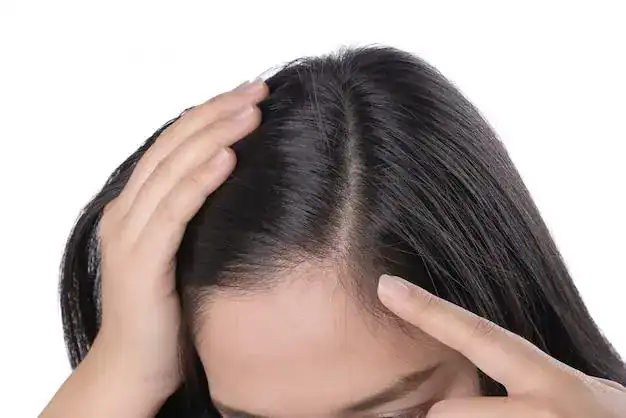
To use minoxidil properly and reduce risks, the doctor’s instructions should be followed strictly. Precautions differ by form, as follows.
Precautions for Topical Minoxidil
Topical minoxidil is a medication for local use, so the following precautions apply:
- Use only on the scalp or the area where hair growth is wanted. Do not use on other parts of the body.
- Apply minoxidil consistently and regularly as the doctor recommends, so that treatment follows the plan.
- For the foam form, the medication melts easily, so hands should be dry and cool before touching it, or gloves should be worn each time.
- If abnormal symptoms occur, such as chest pain, dizziness, faintness, or a red rash or itching where the medication touched, see a doctor promptly.
Precautions for Oral Minoxidil
Oral minoxidil acts throughout the body, so closer monitoring is needed:
- Use only the dose the doctor prescribes. The amount of minoxidil and the duration of use should not be adjusted without medical guidance.
- Check the heart rate regularly, because minoxidil may cause an irregular heartbeat. If anything abnormal is noticed, see a doctor promptly.
- If unusual weight gain occurs during use, tell the doctor right away.
- If a dose is missed, take it as soon as it is remembered, but if it is nearly time for the next dose, skip the missed one. Do not increase the dose to make up for it.
Possible Side Effects After Using Minoxidil
Some side effects of minoxidil are put to use in treating hair loss, but there are other side effects that should be known and monitored, as follows.
- Irregular or abnormal heartbeat
- Nausea, vomiting
- Chest pain, breast pain
- Difficulty breathing, chest tightness
- Allergic rash, irritation or itching where the medication is applied
- Swelling of the legs, feet or ankles
People who use minoxidil 5 mg continuously in particular should monitor for these symptoms regularly. If anything abnormal is noticed, see a doctor promptly. To reduce risks, the medication should be used under a doctor’s supervision throughout treatment. If there are concerns about side effects and a more reassuring approach is preferred, [source sentence is incomplete, please confirm]
Comparing Minoxidil, Finasteride and Dutasteride
Several medications are available today for hair loss. Minoxidil is one of the commonly used options, alongside finasteride and dutasteride. The three differ in mechanism of action, suitable user groups and limitations. The details of each are as follows, to help match the choice to individual needs.
| Topic | Minoxidil | Finasteride | Dutasteride |
| Form | Topical and oral | Oral | Oral |
| Mechanism of action | Dilates blood vessels in the scalp so more blood reaches the hair roots, stimulating hair to enter the growth phase | Inhibits type 2 5-alpha reductase, the enzyme that converts testosterone into DHT (dihydrotestosterone), the cause of hereditary hair loss | Inhibits both type 1 and type 2 5-alpha reductase, so it lowers DHT levels more than finasteride |
| Suitable group | Hair loss from several causes, such as genetics, stress or patchy hair loss | Men with thinning hair on crown or hereditary baldness | Men with hereditary hair loss, with suitability assessed by the doctor individually |
| Limitations | The topical form may irritate the scalp; the oral form requires a doctor’s supervision | Men only; strictly prohibited in women, especially those who are pregnant | Men only; strictly prohibited in women, especially those who are pregnant |
| Availability | The topical form can be purchased at pharmacies; the oral form requires treatment by a doctor | Requires treatment by a doctor | Requires treatment by a doctor |
How to Use Minoxidil Correctly
To get the intended benefit from minoxidil while reducing risks, it must be used in the proper amount and manner, because the topical and oral forms are used differently.
- Oral: Usually tablets, such as minoxidil 5 mg, a strength doctors often consider prescribing according to each person’s hair loss. It should not be bought and taken without guidance, because a health assessment is needed before starting, to reduce the risk of side effects.
- Topical: Clean the scalp and dry it before each application, then drop or spray the medication onto the area where new hair growth is wanted. Massage gently so the medication absorbs into the scalp. It is generally used twice a day, in the morning and before bed, or as the doctor recommends. Wash hands thoroughly after each application, and avoid washing the hair right after applying so the medication can act fully.
Related reading: Does a hair transplant hurt, and why do many people worry about it? What to look for in a trustworthy hair transplant clinic bangkok, plus checking hair transplant pricing before deciding.
How Long Does It Take for Minoxidil to Work?
Seeing changes from minoxidil requires consistency and a fair amount of time. Generally, the medication should be used regularly and continuously for at least 3 to 6 months before new hair growth or changes in hair density become noticeable. The timeframe depends on the individual, including the cause of hair loss, the condition of the scalp and whether the instructions for use are followed correctly.
In the early period of using minoxidil, some people may notice slightly increased hair shedding before new hair begins to grow. This is a normal part of the hair cycle shifting from the resting phase to the growth phase. The medication should not be stopped without medical guidance during this period, and any questions should be discussed with a doctor for an appropriate assessment.
What to Do If Hair Still Does Not Grow After Using Minoxidil
Not seeing the expected outcome after using minoxidil can have several causes, such as using it inconsistently or not for long enough, using an incorrect amount, or a cause of hair loss that does not respond to this medication’s mechanism of action. In some cases hair loss may also involve other factors, such as vitamin deficiency or hormonal conditions, and female baldness may involve contributing factors different from hair loss in men. A doctor should therefore assess the true cause, rather than the dose being adjusted or the medication stopped without guidance.
If minoxidil has been used correctly for the full period without the desired outcome, consulting a doctor about other options, such as adding another medication or a hair transplant, is another approach that can help address hair loss over the long term.
Minoxidil and Hair Transplant Options at Max Hair Clinic
Minoxidil is a commonly used option for managing hair loss and thinning, available in topical and oral forms. A doctor oversees the amount and method of use to suit each person, and it must be used continuously for some time before changes in the hair begin to show. The cause of hair loss should also be considered so that care can be planned in a targeted way.
When medication does not meet needs, or there is patchy hair loss in the center of the scalp, a hair transplant is another option for restoring the hairline. Max Hair Clinic offers hair transplants using FUE, including Non-Shaven FUE and Long Hair FUE, which can harvest grafts without shaving the entire head. This suits people who are concerned about their appearance during recovery. The doctor assesses the location of thinning, the strength of the donor area and the desired hairline to plan treatment suited to each person.
Max Hair Thailand currently has 9 branches across Thailand:
- Bangkok Hair Transplant Clinic
- Phuket Hair Transplant Clinic
- Pattaya Hair Transplant Clinic
- Chiang Mai Hair Transplant Clinic
- Surat Thani Hair Transplant Clinic
- Udon Thani Hair Transplant Clinic
- Khon Kaen Hair Transplant Clinic
- Hat Yai Hair Transplant Clinic
- Ubon Ratchathani Hair Transplant Clinic
For consultations or more information:
- WhatApps +66 82 587 4664
Frequently Asked Questions About Minoxidil
What Should Minoxidil Not Be Used With?
Minoxidil should not be used together with topical or oral medications that irritate the scalp without consulting a doctor first, and it should be avoided by people who are allergic to its ingredients. Treatment should be supervised by a doctor to reduce risks.
Will Hair Fall Out Again After Stopping Minoxidil?
If minoxidil is stopped, the hair that grew from the medication’s stimulation may gradually fall out and return to its previous state, because the medication does not resolve the underlying cause. It usually has to be used continuously to maintain the outcome.
Can Women Use Minoxidil?
Minoxidil can also be used by women, especially the topical form, but always under a doctor’s supervision. Women who are pregnant or breastfeeding should not use it.
Can Minoxidil Be Used Together with Other Hair Medications Such as Finasteride?
Minoxidil can be used together with finasteride in some cases because they work through different mechanisms, but a doctor should supervise and adjust the treatment plan to suit each person.
Can Minoxidil Be Bought at a Pharmacy, and Is a Prescription Required?
Minoxidil is available at pharmacies. Most topical forms can be purchased without a doctor’s prescription, but the oral form is a medication that must be used under a doctor’s treatment only and should not be bought and taken without guidance.