Dr.Jeen /Passaporn Romchatthong Medical license 75224
Thinning hair on crown is a condition in which the hair in the middle of the head, or the crown area, gradually becomes thinner until the scalp starts to show more than usual. It can occur in both men and women, and the causes range from genetics, hormones, stress and nutritional status to illnesses or scalp disorders.
If hair keeps thinning without the cause being assessed, it may progress into baldness at the center of the head or a wider area of thinning. Noticing changes early and choosing a care approach that matches the cause can help slow hair loss and allow the treatment of hair thinning to be planned more precisely.
Key Takeaways
- Thinning hair on crown occurs in both men and women, but the pattern of thinning and balding can differ.
- Genetics and hormones are among the major causes, but they are not the only causes of hair shedding and thinning.
- Options for treating baldness include hair transplants, medication, procedures and lifestyle changes. The choice should be based on the cause and assessed by a doctor.
- A hair transplant may be an option for people whose hair follicles in the crown area have declined significantly and who have a suitable donor area.
Table of Contents
- Thinning Hair on Crown: Warning Signs Before It Progresses to Baldness
- Thinning Hair on Crown in Men and Women
- What Causes Thinning Hair on Crown?
- How Is Thinning Hair on Crown Treated?
- Habits That May Help Slow Thinning Hair on Crown
- Treating Thinning Hair on Crown with a Hair Transplant at Max Hair Clinic
- Thinning Hair on Crown: Get It Assessed Before the Problem Becomes More Noticeable
- Frequently Asked Questions About Thinning Hair on Crown
Thinning Hair on Crown: Warning Signs Before It Progresses to Baldness
Thinning hair on crown usually begins with the hairs around the crown becoming finer and thinner. Viewed from above, more of the scalp becomes visible, especially under bright light or when the hair is wet. When thinning is hereditary, it may progress steadily and spread over a wider area, eventually leading to baldness.
Signs to watch for include:
- The crown or hair whorl looks thinner and more noticeable than before
- Hairs in the same area become finer and shorter
- Ongoing hair shedding and thinning until the scalp is visible
- The bald area at the center gradually expands
- Thinning at the crown together with a receding hairline
If these signs appear together with very heavy, continuous hair shedding, or if a nutrient or vitamin deficiency, a hormonal disorder or an undiagnosed underlying condition is suspected, an assessment should be arranged to identify the cause clearly and plan suitable care before the problem worsens.
Thinning Hair on Crown in Men and Women

Thinning hair on crown can occur in both men and women, but the pattern of hair loss that can be observed usually differs, as follows.
Thinning Hair on Crown in Men
In men, thinning hair on crown usually becomes noticeable at the crown or the center of the head. Hairs gradually become finer and thinner until more of the scalp shows. Some men also have a receding hairline at the same time, and if the condition continues, it may expand into a bald patch at the center.
Thinning Hair on Crown in Women
In women, thinning hair on crown tends to appear as diffuse thinning across the middle of the scalp. Female hair loss can be recognized by a widening part and a more visible scalp. If hair becomes continuously thinner, the cause should be assessed so that a suitable approach to treating hair thinning in women can be chosen.
What Causes Thinning Hair on Crown?
Thinning hair on crown can have several causes, including genetics, hormones, health conditions and daily habits. Common factors are as follows.
- Genetics and hormones: A common cause of hair thinning, in which hairs around the crown gradually become finer and thinner.
- Stress and insufficient rest: May disrupt the hair cycle and lead to more hair shedding and thinning than usual.
- Nutritional deficiency: Insufficient intake of protein, iron, zinc or certain vitamins may affect hair health.
- Hormonal disorders or certain conditions: Some health conditions may affect the hair growth cycle.
- Damage to hair and scalp: Tight hairstyles, high heat or frequent chemical treatments may weaken hair and make it break and fall out more easily.
- Increasing age: The hair growth cycle may change, making hairs finer and slower to regrow.
How Is Thinning Hair on Crown Treated?
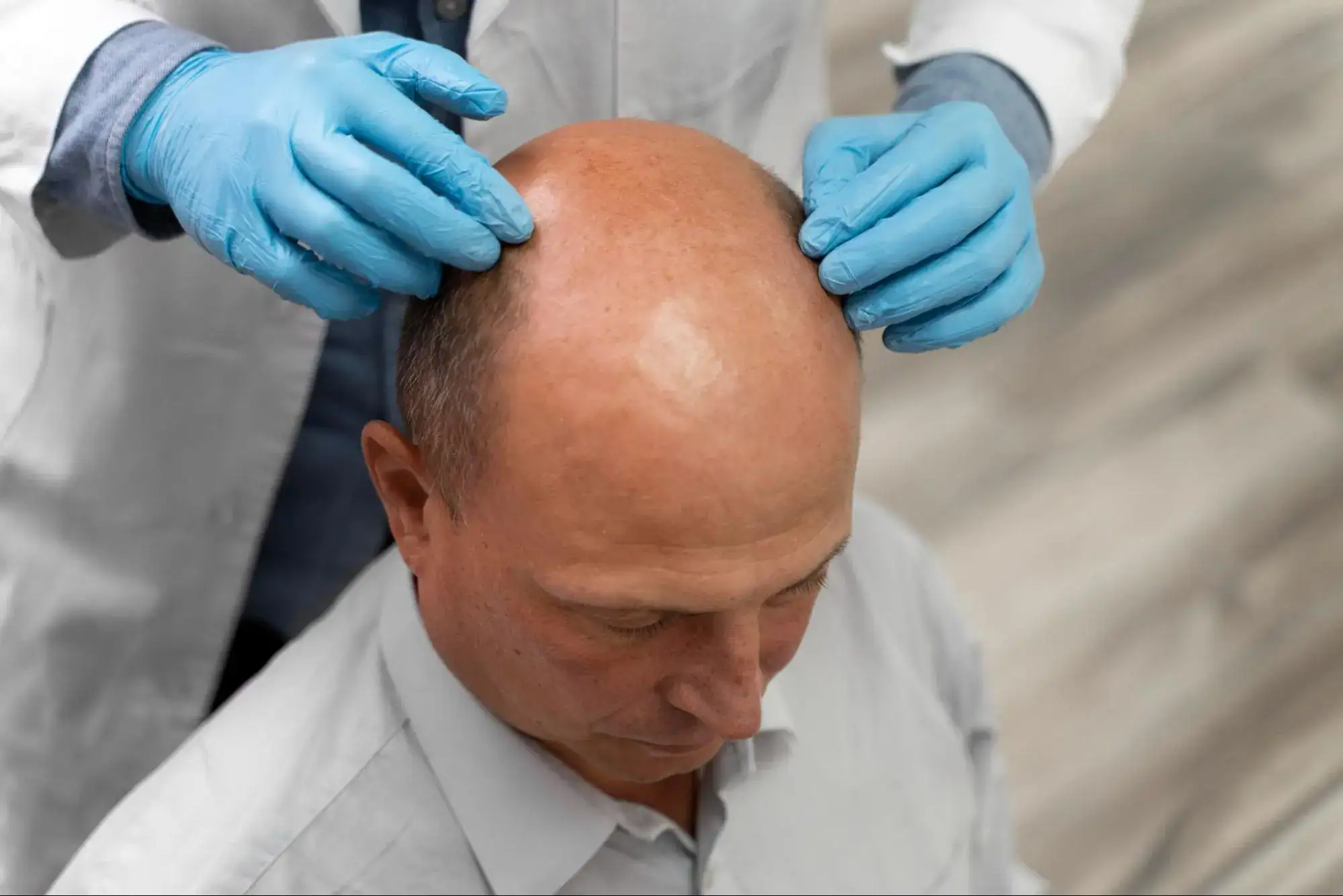
Treatment for thinning hair on crown should be chosen to suit the cause, the degree of thinning and the condition of each person’s hair follicles. The main approaches are hair transplants, procedures, medication and lifestyle changes, as follows.
Treatment with a Hair Transplant
A hair transplant is a targeted way to treat thinning hair on crown. With the FUE (Follicular Unit Excision) technique, grafts are harvested from an area with strong hair follicles and transplanted into the crown. It suits people with clearly thinning areas and enough grafts available for transplanting. The number of grafts and the transplant approach must be assessed individually.
Other techniques are also available, such as DHI, MCG and Non-Shaven FUE hair transplants, which should be chosen according to hair characteristics, the area to be covered and each person’s suitability.
Treatment with Procedures
Procedures for hair thinning help care for the scalp and stimulate hair follicles that are still active. They suit people who still have hair follicles in the thinning area. The type and number of sessions should be determined after assessing the condition of the hair before treatment.
Treatment with Hair Loss Medication
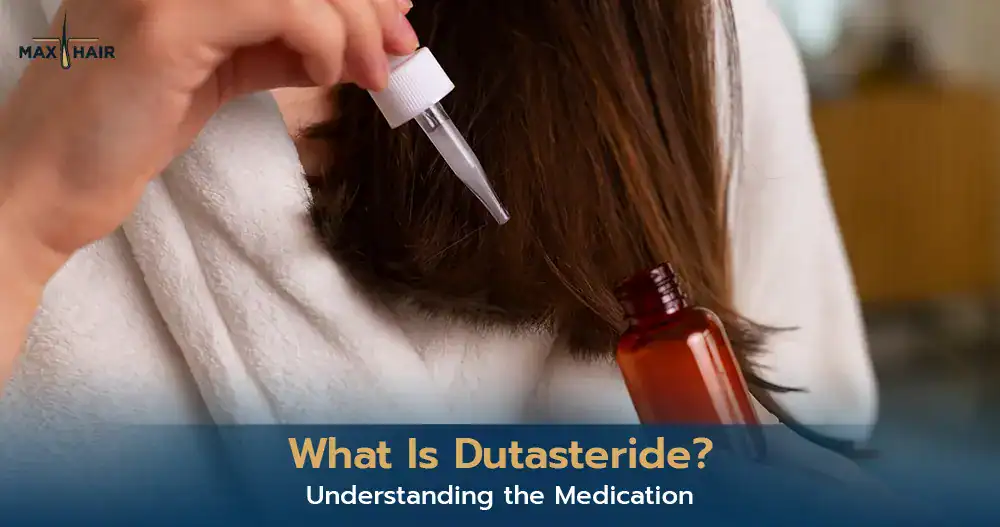
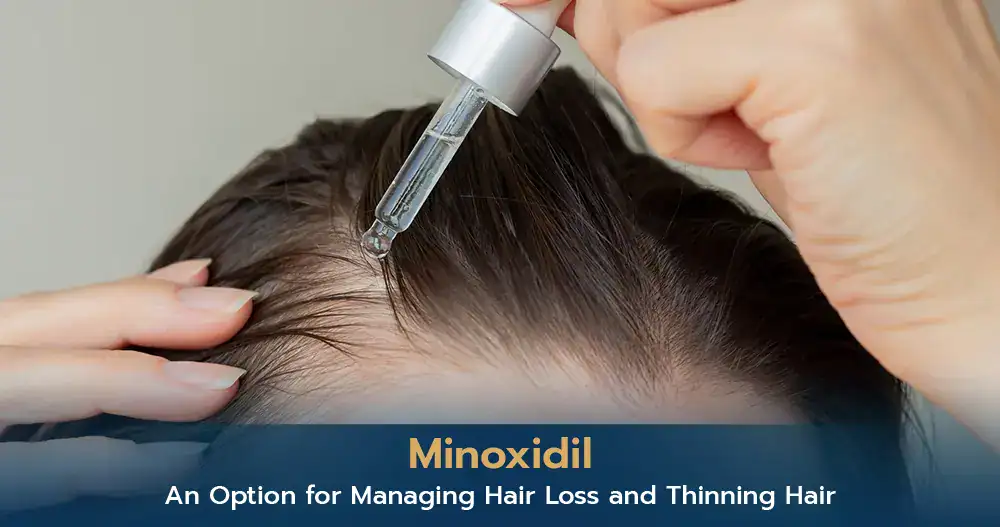
Medications used to manage hair shedding and thinning include Minoxidil, as well as hormone-related medications such as Dutasteride, which may be used in some cases according to indications. Medication should not be purchased, and dosages should not be adjusted, without medical guidance, because each type has its own precautions and suitability.
Lifestyle Changes
Adjusting daily habits alongside treatment can help reduce factors that may weaken hair, such as avoiding tight hairstyles, cutting back on heat and chemicals, and managing stress to support overall hair health.
Habits That May Help Slow Thinning Hair on Crown
Although thinning hair on crown is sometimes related to genetics or hormones, caring for the hair and scalp appropriately can help reduce triggering factors and slow the problem. Suggested approaches are as follows.
- Avoid tight hairstyles: Reduces tension pulling on hair roots and strands.
- Reduce heat and chemicals: Such as flat irons, hot blow-drying or overly frequent coloring.
- Eat a balanced diet: Focus on protein, iron, zinc and other nutrients related to hair health.
- Get enough rest: Helps reduce stress that may affect the hair growth cycle.
- Keep the scalp clean: Choose products suited to the scalp condition and avoid harsh scratching or friction.
- Monitor changes in the hair: If hair shedding and thinning keep increasing, or the thinning area widens, an assessment should be arranged to find the cause and plan suitable care.
Treating Thinning Hair on Crown with a Hair Transplant at Max Hair Clinic
People with thinning hair on crown who want to address it with a hair transplant can visit Max Hair Clinic, a hair transplant clinic Bangkok, for an assessment. The assessment helps plan the number of grafts and transplant positions and select a technique suited to each person’s hair condition. Techniques offered include FUE (Follicular Unit Excision), as well as DHI, MCG and Non-Shaven FUE, as appropriate.
Max Hair Thailand currently has 9 branches across Thailand:
- Bangkok Hair Transplant Clinic
- Phuket Hair Transplant Clinic
- Pattaya Hair Transplant Clinic
- Chiang Mai Hair Transplant Clinic
- Surat Thani Hair Transplant Clinic
- Udon Thani Hair Transplant Clinic
- Khon Kaen Hair Transplant Clinic
- Hat Yai Hair Transplant Clinic
- Ubon Ratchathani Hair Transplant Clinic
Thinning Hair on Crown: Get It Assessed Before the Problem Becomes More Noticeable
Thinning hair on crown can result from many factors, including genetics, hormones, health conditions and behavior. Care therefore includes lifestyle adjustments, medication, procedures and hair transplants, depending on each person’s suitability.
If a bald spots at the center begins to appear or thinning keeps increasing, Max Hair Clinic offers hair assessment and treatment planning based on the condition of the hair follicles and the degree of thinning. The clinic also provides guidance on the FUE (Follicular Unit Excision) technique, hair transplant pricing details and other options as appropriate.
For consultations or more information:
- Whatapps +66 82 587 4664
Frequently Asked Questions About Thinning Hair on Crown
Can Thinning Hair on Crown Be Completely Resolved?
It depends on the cause and severity. Some types of hair thinning can be controlled or improved, but no treatment gives the same outcome for everyone, especially hereditary hair thinning, which may require ongoing care.
Can Thinning Hair on Crown Be Treated at Home?
Basic care such as eating a balanced diet, reducing tension on the hair and avoiding heat can be done at home. However, if hair shedding continues, the cause should be assessed before using any medication, because there are many possible factors and the treatments differ.
How Long Does It Take to See Outcomes from Treatment of Thinning Hair on Crown?
Treatment with medication may need to be continued for around 6 to 12 months before outcomes can be properly assessed. After a hair transplant, hair grows gradually following its natural cycle, and clear outcomes generally take about 1 to 1.5 years to appear. The timeframe and outcomes differ from person to person, depending on the cause of hair thinning, the treatment plan and how the body responds.