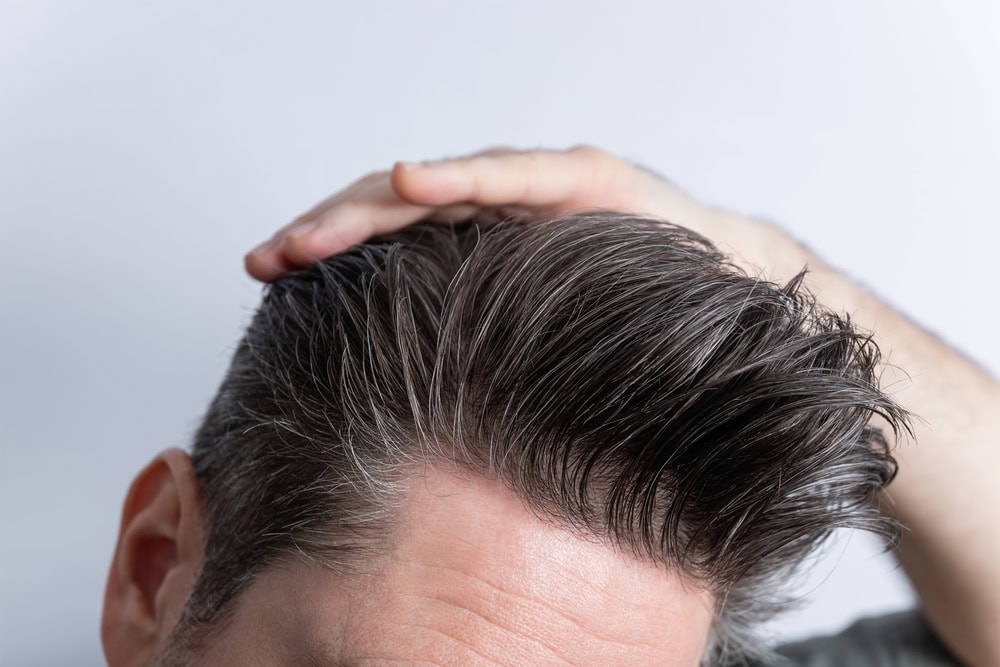

Key Takeaway :
Hair loss or early hair thinning can be caused by several factors, such as genetics, DHT hormones, stress, or everyday habits. If left untreated, it may eventually lead to permanent baldness. Today, there are several ways to address the problem, including hair loss medication, wigs for bald head coverage as a temporary solution, and permanent hair transplantation for more natural-looking, long-term results. Choosing the right option depends on the underlying cause, your budget, and your personal goals, so you can achieve results that truly fit your needs and restore your confidence
Many people dealing with hair loss, thinning hair, or baldness at a young age may feel worried, lose confidence, and start looking for a solution that truly works in the long run. Whether it is using hair loss medication, choosing wigs for bald head coverage, or getting a permanent hair transplant, each option offers different results. Deciding which method is right for you requires complete information and a careful comparison, so you can get the best value and the most satisfying outcome. If you are one of the many people asking, “hair loss at a young age what to do,” this guide will walk you through the pros and cons of each option and clearly compare them, so you can decide which one is truly right for you.
Hair Loss and Early Hair Thinning: Causes and Effects
Hair loss or thinning hair at a young age can be caused by many factors. In most cases, it is related to both physical causes and lifestyle habits, such as:
- Genetics: If baldness or thinning hair runs in your family, there is a higher chance that you may experience the same issue
- DHT (Dihydrotestosterone): This is one of the main causes of hereditary hair thinning. It causes the hair follicles to shrink, makes the hair strands finer, and leads to easier hair shedding
- Stress, lack of sleep, or an unbalanced diet: These factors can weaken the hair and make it fall out more easily
- Frequent use of chemicals or heat on the hair: Regular coloring, perming, or blow-drying with high heat can damage the hair and contribute to hair loss
Early hair thinning often has a major impact on self-confidence, especially for young adults and working professionals. If left untreated for too long, it may eventually progress to permanent baldness.
What Are the Most Popular Options for Treating Hair Loss and Thinning Hair ?
Today, there are several ways to treat thinning hair or baldness, and each option works differently and delivers different results. For anyone comparing hair loss medication vs hair transplant options, or considering wigs as a non-medical alternative, it is important to understand how each method works before making a decision.
Hair Transplant
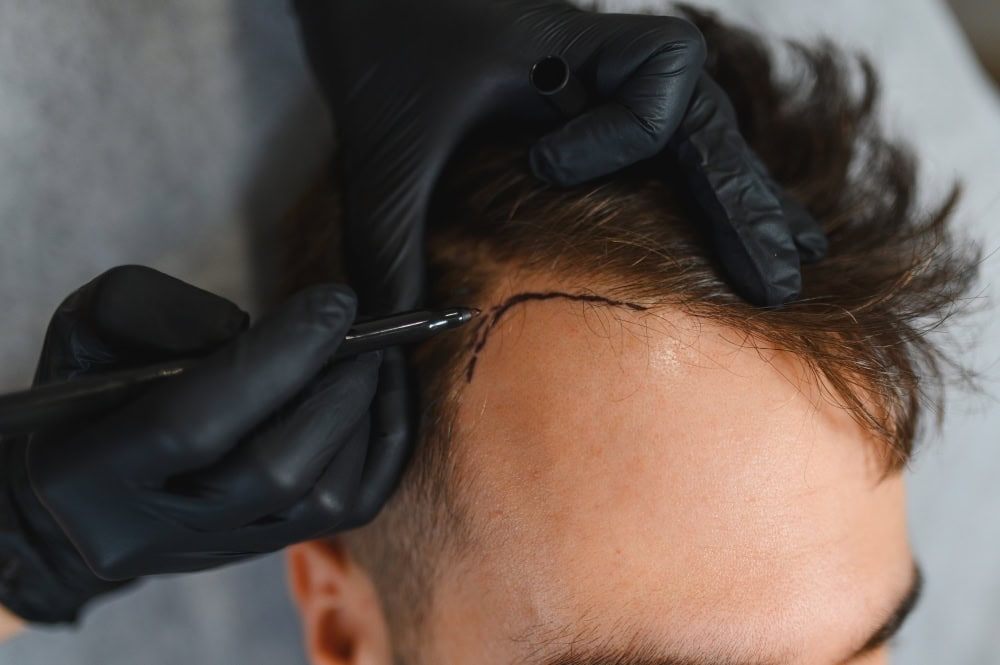
Hair transplantation is one of the most popular solutions today, especially techniques such as FUE (Follicular Unit Extraction) or Micrograft. This procedure involves taking healthy hair follicles from the back of the scalp and transplanting them into areas affected by thinning or baldness. The wounds are extremely small, almost invisible, and the recovery time is relatively short.
The transplanted hair grows as real hair and looks natural. It can be washed, cut, styled, or colored as usual. Visible results typically begin to appear within 6 to 18 months, and the outcome is long-lasting and permanent.
Wearing Wigs to Cover Baldness
Wearing a wig is another popular option for people dealing with baldness or thinning hair. Today, wigs range from ready-made styles sold on the market to custom-made pieces designed to mimic the scalp and natural hair. They are suitable for people who want immediate results without undergoing a procedure, and they also offer the flexibility to change hairstyles easily.
However, there are also some disadvantages of wearing wigs to consider, such as ongoing maintenance, discomfort in hot weather, and the need for regular replacement depending on the quality and frequency of use.
Hair Loss Medication
Hair loss medication can be effective only if the hair follicles are still alive. If a particular area no longer has active follicles, hair will not grow back in that spot. These medications help strengthen existing hair, slow further shedding, and support healthier growth, but they must be used continuously over a long period and should be taken under a doctor’s supervision.
However, in some cases, there may be side effects of hair loss medication, such as low blood pressure, skin irritation, or, in some individuals, sexual side effects, especially with medications like Finasteride. For this reason, it is always important to consult a doctor before starting treatment.
Comparing Hair Transplant vs. Hair Loss Medication vs. Wigs: Which Option Is Worth It ?
To make it easier to decide which method is right for treating hair loss, thinning hair, or baldness, here is a comparison table of the key factors to consider:
| Factor | Hair Transplant | Hair Loss Medication | Wearing Wigs |
|---|---|---|---|
| Cost | Relatively high upfront cost | Ongoing expense | Available at many price points |
| Value for Money | Cost-effective in the long run | Must be used continuously | Needs to be replaced regularly |
| Time to See Results | Initial results in 4-6 months | 3-6 months | Immediate results |
| Natural Look | Very high | Moderate | Depends on the quality of the wig |
| Daily Lifestyle | Easy to maintain and live with normally | Requires regular application or medication use | Must be removed and cleaned regularly |
| Risk | Low when performed by a doctor | May cause side effects | May irritate the scalp |
| Best For | People who want permanent results | People with early-stage thinning hair | People who want immediate coverage |
Which Option Is Best for People with Early Hair Thinning ?
Whether you choose a hair transplant, wigs, or medication, all of these can help address thinning hair. However, the results and suitability will vary from person to person.
- If you want a permanent solution with natural-looking results, a hair transplant is considered a worthwhile long-term option
- If your hair is only slightly thinning, medication may help slow down further hair loss
- If you want immediate coverage, wearing a wig can also be a practical choice
If you are dealing with early hair thinning, baldness, or a loss of confidence in your appearance, do not hesitate to seek advice from the professionals at Max Hair Clinic. We are ready to provide guidance on modern, safe, and effective hair restoration techniques, including FUE-MAX and Micrograft.
Book an appointment for a hair and scalp analysis, a treatment assessment, or a pricing consultation at Max Hair Clinic, a trusted hair transplant clinic. Contact any branch at Tel: 083-289-1664 LINE: @MAXHAIR