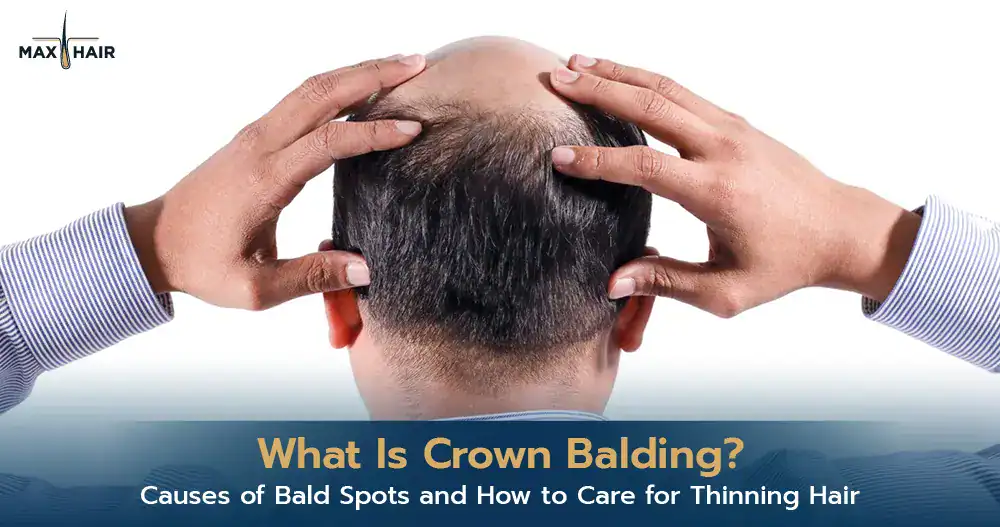
Crown balding is a common hair loss concern that can affect both women and men. It often begins with gradual thinning around the crown, making the scalp more visible. Over time, the affected area may become larger and affect self-confidence.
This article covers the causes of crown balding, treatment options, and ways to care for thinning hair. It also introduces hair transplant options for those looking to restore hair density and create a fuller-looking appearance.
Key Takeaways
- Thinning hair at the crown can affect both men and women, but is more common in men.
- Common causes include genetics, DHT, aging, stress, scalp conditions, chemical treatments, and lifestyle factors.
- Early signs include increased hair shedding, thinning at the crown, visible scalp, and finer new hair.
- Treatment depends on the cause and severity and may include lifestyle changes, medication, procedures, or hair transplantation.
- A healthy diet, sufficient rest, and gentle hair care may help reduce the risk and slow hair thinning.
Table of Contents
- What Is Thinning Hair at the Crown? Understanding Crown Hair Loss
- What Causes Crown Balding?
- How Does Crown Balding Differ Between Women and Men?
- What Are the Warning Signs of Crown Balding?
- What Are the Treatment Options for Crown Balding?
- How Can You Help Manage Crown Balding?
- Treating Crown Balding with a Hair Transplant at Max Hair Clinic
- Crown Balding: Understand the Causes and Choose the Right Treatment
- Frequently Asked Questions About Crown Balding
What Is Thinning Hair at the Crown? Understanding Crown Hair Loss
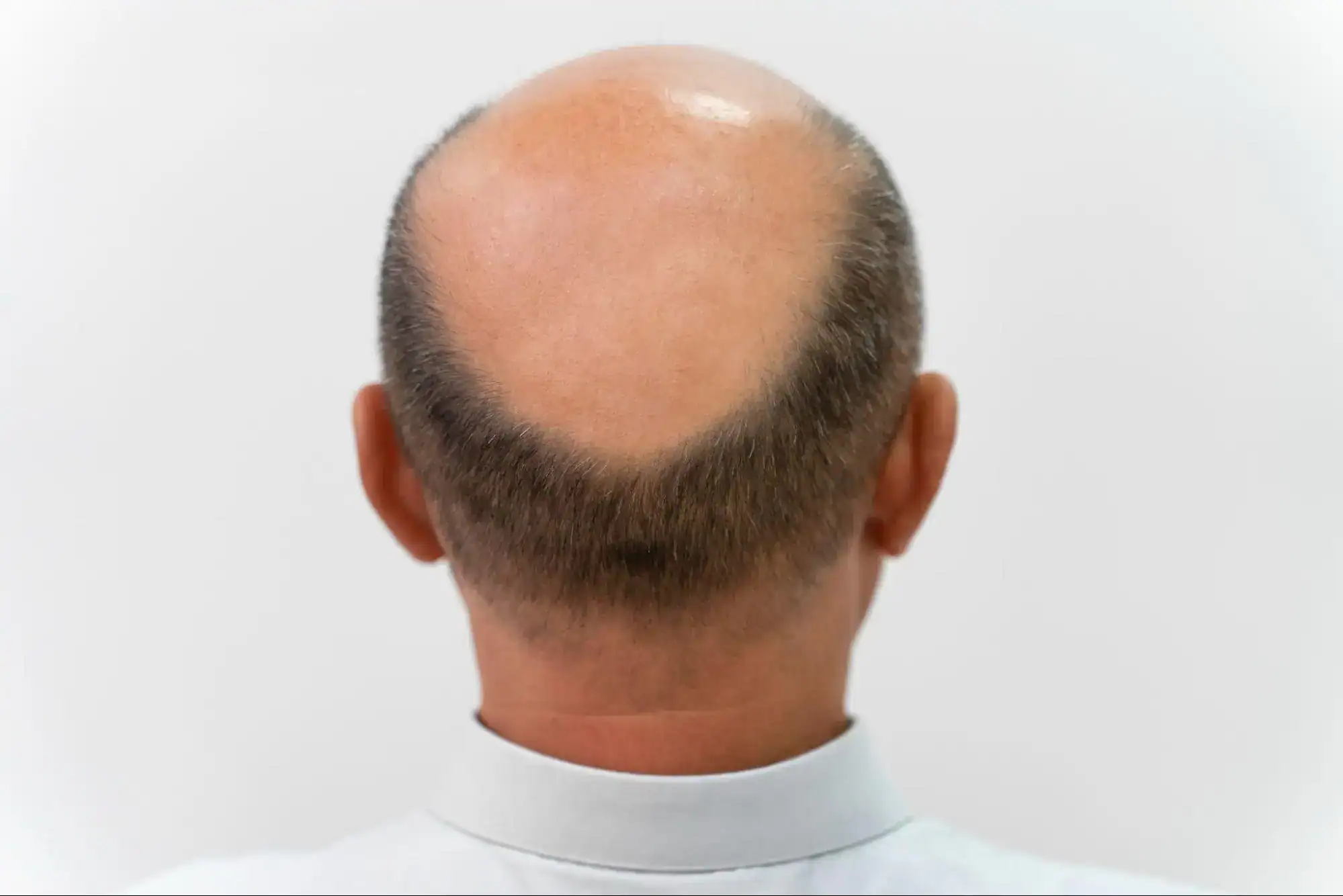
Thinning Hair at the Crown is hair loss or reduced hair density at the center of the scalp, often caused by weakened hair follicles. It can affect both men and women but is more common in men. Common causes include genetics and DHT. Signs include increased hair shedding, finer hair, slower growth, reduced density, and increased scalp visibility.
What Causes Crown Balding?
Thinning hair at the crown, sometimes known as a bald spot at the crown, can have several causes, including aging, genetics, hormonal changes, certain medical conditions, and lifestyle factors.
- Genetics: A common cause, especially in people with a family history of hair loss. Hair follicles may be more sensitive to DHT, leading to gradual thinning and shedding.
- Hormonal changes: DHT (Dihydrotestosterone) can affect hair follicles, shortening the hair growth cycle and causing hair to become finer and more prone to shedding.
- Aging: Hair growth may slow with age, while hair density gradually decreases.
- Stress: Ongoing stress can disrupt the hair growth cycle and contribute to increased shedding.
- Scalp conditions: Conditions such as scalp fungal infections or alopecia areata may cause hair loss around the crown.
- Chemical treatments and heat: Frequent coloring, perming, straightening, or heat styling may weaken the hair and irritate the scalp.
- Lifestyle factors: Insufficient sleep, smoking, and regular alcohol consumption may affect overall hair health and contribute to hair thinning.
How Does Crown Balding Differ Between Women and Men?
Although crown balding can affect both women and men, its patterns can differ. In women, Female Pattern Hair Loss often causes thinning around the crown and a wider part, while the front hairline usually remains intact. In men, DHT and genetics are common factors, often causing hair loss at the temples and crown that may gradually expand.
What Are the Warning Signs of Crown Balding?
Crown balding often begins with increased hair shedding and gradual thinning. Recognizing the signs early may help slow further hair loss and support hair restoration. Common signs include:
- Increased hair shedding when washing: Losing significantly more hair than usual during washing may indicate an underlying hair loss concern.
- More than 100 hairs shed per day: Consistently losing over 100 hairs per day may be a sign of increased hair shedding.
- Excessive hair shedding when brushing: Noticeable hair loss while brushing may warrant further evaluation.
- Thinning at the crown with increased scalp visibility: Reduced hair density around the crown or a widening thinning area can be an early sign.
- Fewer or finer new hairs: New hairs may become shorter, finer, and less dense over time.
- Scalp irritation with hair loss: Itching, redness, or unusual dandruff together with hair loss may be related to a scalp condition affecting the hair follicles.
What Are the Treatment Options for Crown Balding?
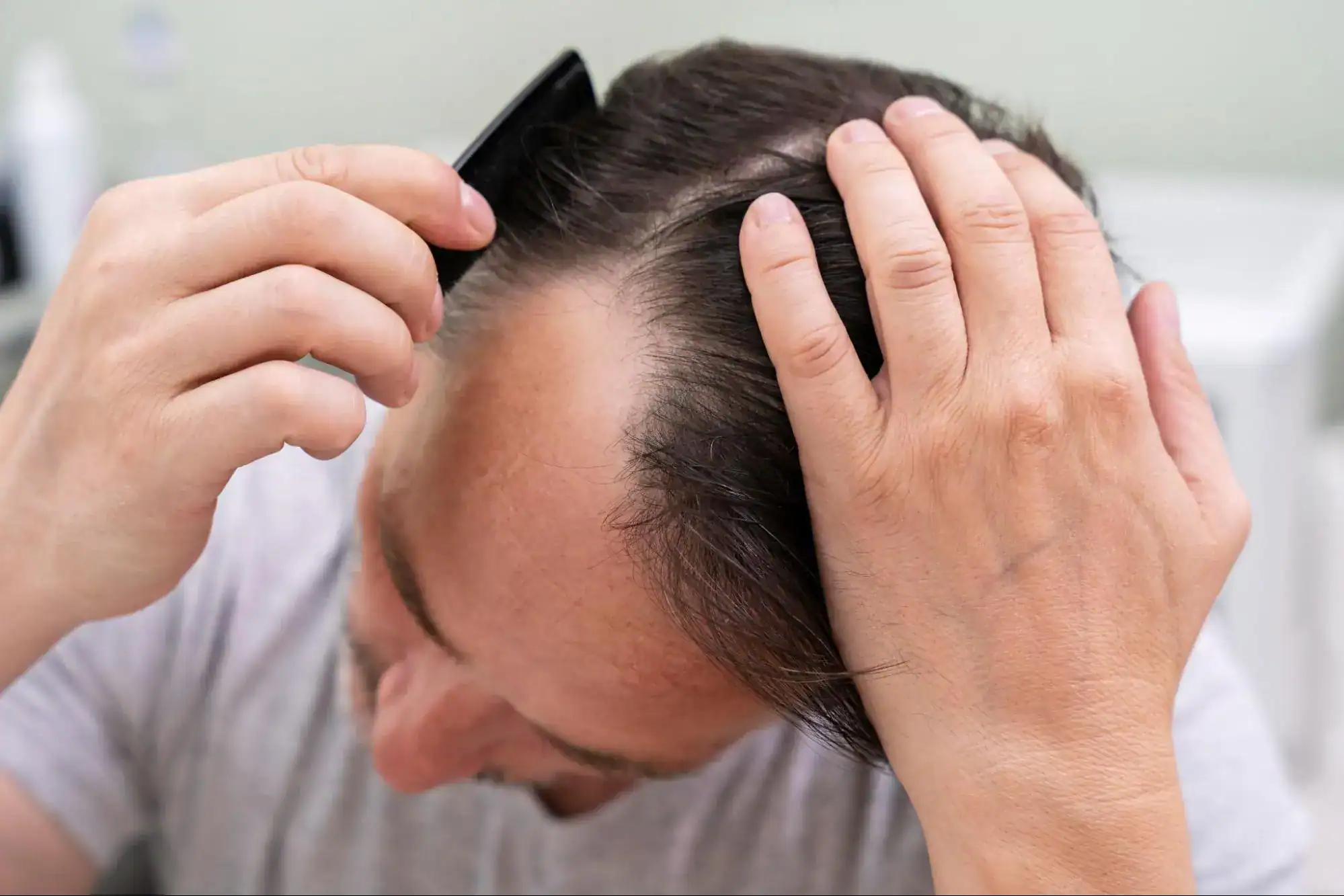
Treatment for crown balding should begin by identifying the underlying cause. This allows doctors to recommend an approach suited to each individual. Current options may include medication, in-clinic procedures, and hair transplantation, depending on the condition of the hair follicles and the extent of hair loss.
Hair Transplantation for Crown Balding
For those with noticeable baldness at the crown, a hair transplant can help restore hair density and create a natural-looking appearance. Various techniques are available, including Shaven FUE, Non-Shave FUE, and Long Hair FUE. The doctor will select an appropriate technique based on the individual’s condition and needs.
For information about hair transplant costs and factors that affect pricing, read more: How Much Does a Hair Transplant Bangkok Cost?
Lifestyle Changes and Basic Hair Care
Maintaining healthy hair through lifestyle changes may help slow further crown balding. This includes eating foods rich in protein, vitamins, and essential minerals, getting enough rest, and limiting frequent use of chemical treatments and heat styling. Consult a doctor before stopping or changing any medication that may contribute to hair shedding.
Medication and Hair Loss Treatments
When the hair follicles are still active, doctors may consider medications such as Minoxidil or Finasteride for suitable individuals. These may help reduce hair shedding and support hair growth. Vitamins, supplements, and hair follicle care programs may also be considered as part of an overall treatment plan.
In-Clinic Procedures
Procedures such as PRP (Platelet-Rich Plasma), hair follicle stimulation, cell-based hair restoration programs, and LLLT (Low-Level Laser Therapy) may be considered. The appropriate option depends on the underlying cause and severity of hair loss.
How Can You Help Manage Crown Balding?
While crown balding related to genetics or hormonal factors cannot always be managed through lifestyle changes alone, healthy hair care and lifestyle habits may help reduce hair shedding and slow further thinning. Key approaches include:
- Eat a nutrient-rich diet: Choose foods containing protein, iron, zinc, vitamins, and omega-3, such as meat, eggs, leafy greens, and fruits.
- Exercise regularly: Regular exercise supports blood circulation and overall hair health.
- Avoid hair damage: Limit heat styling, coloring, perming, straightening, and harsh chemical products.
- Care for your scalp: Use a shampoo suited to your scalp and wash gently without excessive rubbing or scratching.
- Get enough rest and manage stress: Poor sleep and ongoing stress may affect the hair growth cycle and increase hair shedding.
- Avoid smoking and excessive alcohol consumption: These habits may affect blood circulation and nutrient delivery to the hair follicles.
Treating Crown Balding with a Hair Transplant at Max Hair Clinic
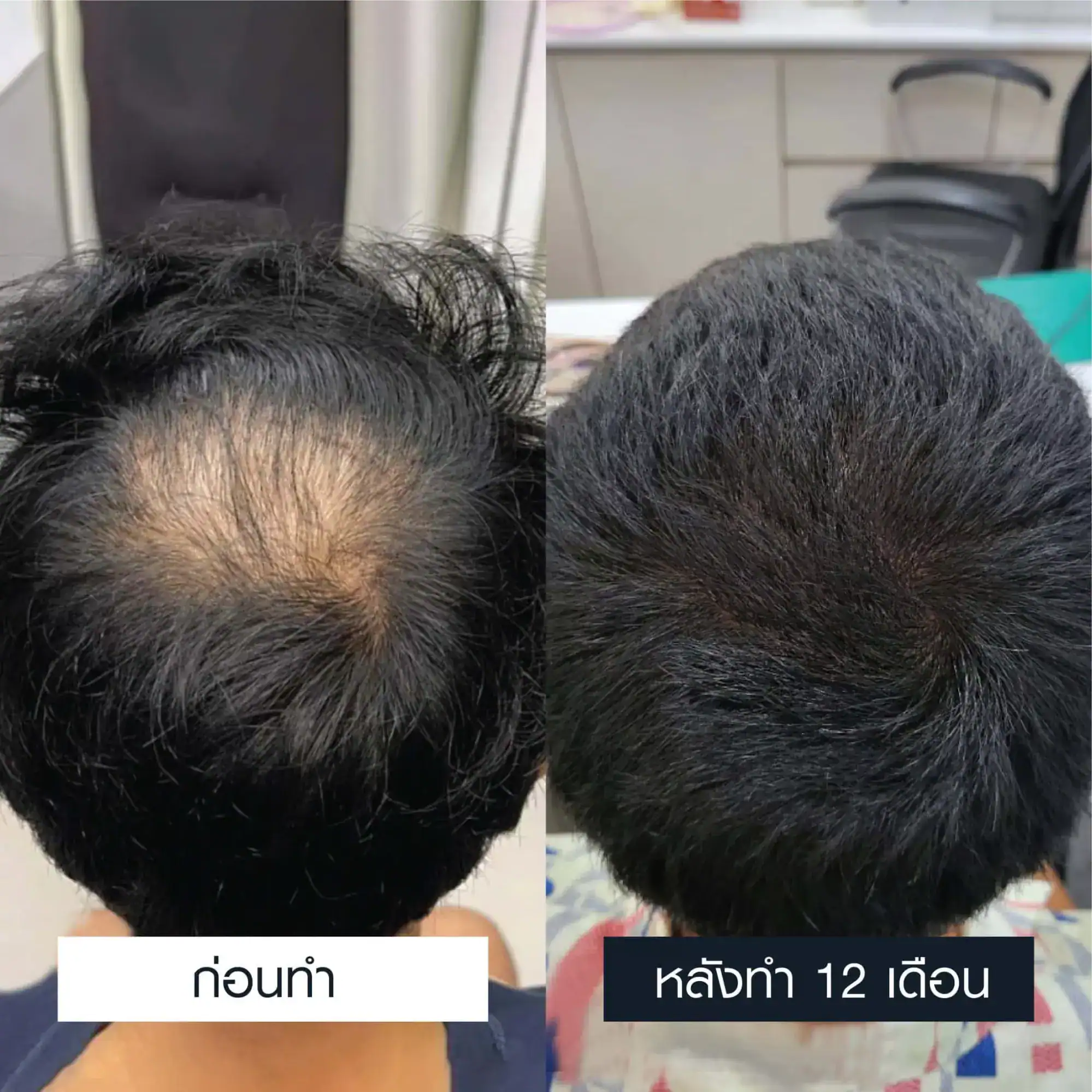
If crown balding is caused by weakened or reduced hair follicles or has resulted in a noticeable bald spot, a hair transplant may be considered based on each individual’s condition. Max Hair Clinic offers various hair transplant techniques, with treatment plans tailored to the existing hair density, pattern of hair loss, and individual needs.
- FUE (Follicular Unit Extraction): Hair grafts are extracted from the donor area at the back of the scalp and transplanted to areas with thinning hair. This technique helps minimize larger scars and can be used for crown balding in both men and women.
- MCG (Micrograft): Uses small instruments to extract hair grafts while helping reduce trauma to the hair follicles. It may be suitable for those looking to increase hair density in the transplant area.
- DHI (Direct Hair Implantation): Uses an Implanter Pen to place hair grafts while allowing control over the direction and angle of hair growth.
- Non-Shaven FUE: A hair transplant technique that does not require shaving the hair at the back of the scalp, making it suitable for those who wish to maintain their existing hairstyle.
- Long Hair Transplant: Uses longer hair grafts without requiring the hair to be cut before the procedure. It may be suitable for women and those who wish to maintain their hair length.
In addition to selecting an appropriate technique, Max Hair Clinic assesses the scalp and hair follicles before treatment, plans the hairline, and provides follow-up care. Max Hair Clinic currently has 9 locations across Thailand:
- Bangkok
- Phuket
- Pattaya
- Chiang Mai
- Surat Thani
- Udon Thani
- Khon Kaen
- Hat Yai
- Ubon Ratchathani
Crown Balding: Understand the Causes and Choose the Right Treatment
Crown balding can result from various factors, including genetics, hormonal changes, aging, and lifestyle habits. Recognizing the signs early and consulting a doctor can help determine an appropriate treatment approach based on the individual’s condition.
For those considering a Hair Transplant Clinic Bangkok, Max Hair Thailand offers various hair transplant techniques and personalized treatment planning based on each individual’s needs. For those interested in a Hair Transplant Thailand Package, package options are also available. These may be considered as part of an approach to addressing crown balding and thinning hair under a doctor’s guidance.
For consultation or more information:
- Whatapps : +66 82 587 4664
Frequently Asked Questions About Crown Balding
What Age Does Crown Balding Usually Start?
Crown balding can begin in the 20s or 30s. Some people may notice signs in their early 20s or late teens, depending on genetics, hormones, and lifestyle factors.
What Is the Difference Between Crown Balding and an M-Shaped Hairline?
An M-shaped hairline typically starts with recession at the forehead and temples, creating an “M” shape. Crown balding begins around the crown and may gradually expand over time.
Can Crown Balding Return to Normal Without Treatment?
Crown balding caused by genetics or hormonal factors may not return to its previous state on its own, as the hair follicles can gradually become smaller over time. Early evaluation may help slow further hair loss.
Is a Hair Transplant for Crown Balding Painful? How Long Is the Recovery?
Local anesthesia is generally used before the procedure, so discomfort is usually limited to the injection. Mild tightness or soreness may occur for 1-2 days, while small scabs typically form and clear within 7-14 days.